
How to Collect Wedding Planner Testimonials (Without Feeling Awkward)
Client testimonials build trust with future couples by showing real proof that a wedding planner delivers on their promises. They influence booking decisions more than almost any other marketing material, since couples often choose vendors based on what other couples say about their experience. Collecting and using testimonials strategically can directly increase inquiries and bookings.
Toronto couples have endless options when searching for a planner, and most of them read reviews before reaching out. A planner without testimonials looks untested, even if the work itself is excellent.
Wedding Planner Testimonials: Steps to Book More Couples
Why Testimonials Carry So Much Weight
Couples planning a wedding are making one of the biggest financial and emotional decisions of their lives. That kind of decision comes with anxiety, and testimonials help ease it by showing how previous clients felt before, during, and after working with a planner.

A glowing review from a real couple often does more convincing than a planner’s own marketing copy ever could. Why? Because it comes from someone with no stake in the outcome, someone who has nothing to gain by saying nice things.
| Testimonial Type | Best Use Case | Impact Level |
| Written reviews | Website and social media | High, builds general trust |
| Video testimonials | Instagram, website homepage | Very high, feels personal |
| Case studies | Portfolio and proposals | High, shows process and results |
| Star ratings | Google Business Profile | Moderate, builds local SEO trust |
Testimonials Reduce Risk in the Couple’s Mind
Hiring a wedding planner means handing over control of a major life event to someone else. That feels risky, especially for couples who have never worked with a planner before and aren’t sure what to expect.
Reading about another couple’s positive experience, especially one with similar challenges or a similar wedding size, helps reduce that uncertainty. It shows the planner has handled situations like theirs before and came through.
Testimonials Support Google’s Trust Signals
Search engines like Google place significant weight on trust and experience when ranking local businesses. According to Google’s guidance on quality content, real-world experience and demonstrated expertise play a major role in how content gets evaluated.
Reviews on platforms like Google Business Profile also contribute directly to local search rankings, making testimonials valuable for both human readers and search algorithms.
How to Ask for Testimonials Without Feeling Awkward
Many planners feel uncomfortable asking for reviews, worried it might come across as pushy or self-serving. That hesitation often means testimonials never get collected at all, even after a wedding goes beautifully.
So how does a planner ask in a way that feels natural rather than transactional?
1. Time the Request Around a High Point
The best moment to ask for a testimonial is shortly after the wedding, while the couple still feels the glow of the day. Waiting too long means memories fade and the request feels like an afterthought.
A simple message sent within a week or two after the wedding, thanking the couple and asking if they would be willing to share a few words, tends to get a warm response.

2. Make the Process as Easy as Possible
Couples are often exhausted after a wedding, dealing with thank-you cards, honeymoon planning, and returning to regular life. Asking for a long, detailed write-up adds friction that can make people put it off indefinitely.
- Provide a direct link to leave a Google review
- Offer a short list of guiding questions instead of a blank text box
- Ask permission to use quotes from existing thank-you messages or texts
- Offer to write a draft based on conversations, then ask the couple to approve or edit it
3. Ask Specific Questions to Get Useful Answers
A vague request like “would you mind leaving a review” often results in a generic response like “everything was great, thank you.” That kind of testimonial does not give future couples much to go on.
Instead, asking specific questions draws out details that actually help readers connect. Questions like “what was your biggest worry before the wedding, and how did that change” or “what would you tell a couple who is on the fence about hiring a planner” tend to produce far more useful answers.
Where to Use Testimonials for Maximum Impact
Collecting testimonials is only half the equation. Where and how they get displayed determines whether they actually influence bookings.
Feature Them on the Website Homepage
A couple landing on a planner’s website for the first time often scans quickly before deciding to stay or leave. Placing a strong testimonial near the top of the homepage, ideally one that addresses a common concern, helps build trust within seconds.
Use Them in Proposals and Consultations
Sharing a relevant testimonial during a consultation, especially one from a couple with a similar wedding style or budget, can ease hesitation right when a couple is deciding. This works particularly well for case studies that walk through how a specific challenge got resolved.
Build Case Studies From Detailed Testimonials
A case study takes a testimonial further by walking through the full story of a wedding, including any challenges that came up and how they got handled. This format works especially well for showcasing crisis management skills, since couples often want reassurance that a planner can handle the unexpected.
For example, a case study about a sudden venue change due to weather, and how the planner adapted the timeline and vendor coordination on short notice, demonstrates real problem solving in a way a simple quote cannot.
Common Challenges With Collecting Testimonials
Even with the best intentions, gathering testimonials does not always go smoothly. Understanding common roadblocks helps planners plan around them.
Some Couples Simply Forget
Life gets busy after a wedding, and even couples who loved working with a planner might forget to follow through on a review request. A gentle follow-up message a few weeks later, without sounding pushy, often helps.
Negative Feedback Happens Sometimes
Not every testimonial will be glowing, and that is part of running a real business. Responding professionally and calmly to constructive feedback, and using it to improve future processes, often builds more trust than having only perfect five-star reviews.
Privacy Concerns From Some Clients
Some couples prefer to keep their wedding details private and may hesitate to have their names or photos shared publicly. Offering an anonymous or first-name-only option respects their privacy while still allowing the testimonial to get used.
How V Wedding Academy Builds Testimonial Strategy Into Its Training
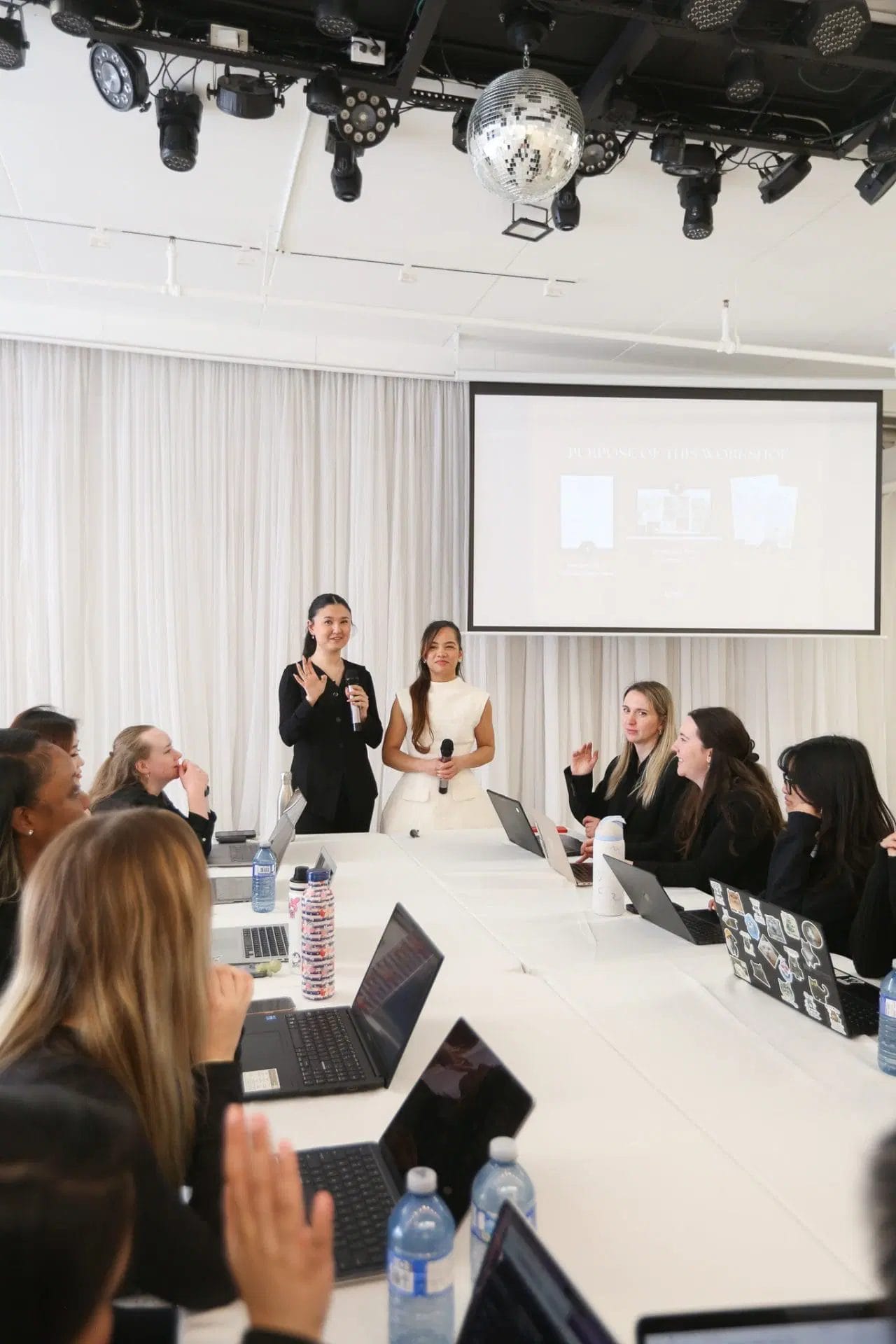


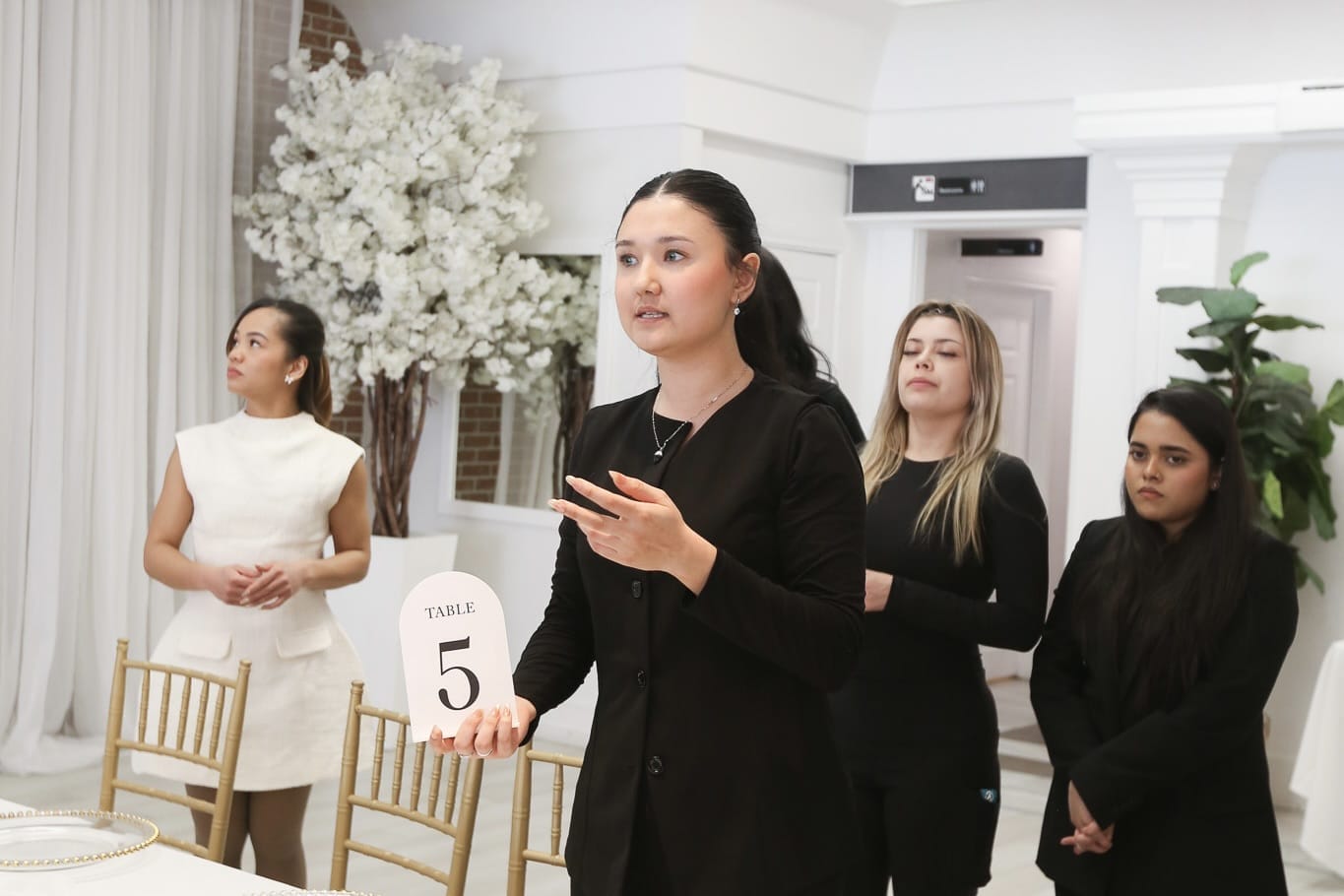


V Wedding Academy was founded by sisters Pauline, Kyla, and Kyra, who built a wedding and event company from the ground up. Over nearly a decade, the company has supported more than 2,000 weddings and trained over 500 students and interns, gathering real feedback from real couples along the way.
That experience shaped The V Wedding Planner Program™ (VWPP), a 12-module curriculum that includes portfolio building, testimonial strategy, and case study development as part of career positioning. Students learn how to collect testimonials at the right moments, structure case studies that highlight problem solving, and use both to strengthen their portfolio and visibility.
The program also includes the Plug-and-Play Planner Kit™, which provides templates for client outreach, including scripts for requesting testimonials in a way that feels natural rather than transactional.
Frequently Asked Questions
A handful of strong, detailed testimonials often works better than a large number of generic ones. Three to five well-written testimonials that address common concerns can be more persuasive than twenty short, vague reviews.
Video testimonials tend to feel more personal and authentic, since couples can see genuine emotion and hear tone of voice. Written testimonials remain valuable too, especially for website text and search engine visibility, so using both formats covers more ground.
Respecting the client’s decision without pressure is the best approach, since pushing too hard can damage the relationship. Focusing energy on clients who are enthusiastic and willing tends to produce better results anyway.
V Wedding Academy’s VWPP includes a dedicated portfolio building module that covers testimonial collection, case study development, and strategic use of client feedback. These lessons come from systems developed inside an active wedding company managing thousands of real events.
A testimonial is typically a short quote or review from a client about their overall experience, while a case study tells a more detailed story about a specific wedding, including challenges and how they got resolved. Case studies work especially well for demonstrating problem-solving skills to potential clients.
Testimonials turn real client experiences into powerful trust signals that help future couples feel confident booking. For planners ready to learn how to collect, structure, and use testimonials effectively, joining the VWPP waitlist offers early access when enrollment opens.
You Might Also Like: