How to Reach Out to Experienced Wedding Planners (Without Being Ignored)
Reaching out to experienced wedding planners works best with a short, specific message that shows genuine interest, respects their time, and offers something useful in return. Cold, generic requests asking to “pick their brain” often go unanswered. A thoughtful approach can open doors to mentorship, assisting opportunities, and long-term industry relationships.
Toronto’s wedding industry is tight-knit, and experienced planners get messages from aspiring planners constantly. Standing out for the right reasons makes all the difference.
Reach Out to Wedding Planners: How to Get Noticed Instantly
Why This Outreach Matters So Much for New Planners
Breaking into wedding planning often happens through relationships, not job postings. Experienced planners hold knowledge about local vendors, venue quirks, and client management that simply doesn’t exist in any course or blog post.
Reaching out the right way can open doors to assisting opportunities, mentorship, or even just a single conversation that saves months of trial and error. Reaching out the wrong way, though, can close those doors fast.
| Approach | Likely Outcome | Why |
| Generic “pick your brain” message | Often ignored | Vague, asks for unpaid time |
| Specific question with context | Higher response rate | Shows effort and respect |
| Offer to assist for experience | Strong response potential | Provides mutual value |
| Showing up at industry events first | Best long-term results | Builds familiarity before asking |
The Do’s: What Actually Works
Getting a response from a busy planner often comes down to small details that show respect for their time and genuine interest in their work.
Do Research Before Reaching Out

Spending a few minutes looking at a planner’s website, portfolio, and social media before sending a message shows that the outreach isn’t a copy-paste template sent to twenty people. Referencing a specific wedding, style, or approach demonstrates real interest.
For example, mentioning a particular styled shoot or a recent feature on a wedding blog shows the planner that someone took the time to actually look at their work.
Do Keep the Message Short and Specific
Long messages asking for general advice or an open-ended phone call often get pushed to the bottom of an inbox. A short message with one clear, specific question respects the planner’s time and makes it easier to respond quickly.
- Introduce who you are in one sentence
- Mention something specific about their work
- Ask one clear, focused question
- Keep the entire message under 100 words if possible
Do Offer Something in Return
Experienced planners are busy, and most genuinely enjoy helping newer planners when the exchange feels balanced rather than one-sided. Offering to assist at an upcoming event, help with a styled shoot, or even just share a useful resource can shift the tone of the conversation.
This doesn’t need to be a huge commitment. Even offering to grab coffee and cover the cost shows a willingness to give something back.
Do Follow Up Once, Politely
If a message goes unanswered, it’s not necessarily a no. Busy planners often miss messages entirely, especially during peak wedding season.
A single polite follow-up after one or two weeks, without pressure or guilt-tripping language, often gets a response when the first message didn’t.
Do Connect Through Shared Spaces First
Industry events, online communities, and professional associations like the Wedding Planners Institute of Canada offer natural ways to build familiarity before sending a direct message. A planner who has already interacted with someone at an event or in a group is far more likely to respond warmly to a follow-up message.
The Don’ts: What Pushes Planners Away

Some approaches almost guarantee a message gets ignored, no matter how well-intentioned the sender might be.
Don’t Ask Vague, Open-Ended Questions
Messages like “can I pick your brain sometime” or “how did you get started” put all the work on the receiving end. These questions require long, thoughtful answers that busy planners rarely have time to give.
Instead, asking something specific, like “how do you typically structure timelines for outdoor ceremonies with a rain backup plan,” gives the planner something concrete to respond to.
Don’t Ask for Free Work Disguised as Mentorship
Requests like “can you review my entire business plan” or “can you give me feedback on my whole portfolio” often ask for hours of unpaid labor under the guise of a casual favor. That kind of request can feel disrespectful, even if it wasn’t intended that way.
If detailed feedback is genuinely needed, offering to pay for a consultation or coaching session shows respect for the planner’s time and expertise.
Don’t Reach Out Only When Something Is Needed
Messages that appear out of nowhere, asking for a favor with no prior interaction, often feel transactional. Building a small amount of familiarity first, even through a comment on a social media post or attending the same event, makes a later message feel far less random.
Don’t Take Silence Personally
Not every message gets a response, and that’s not always a reflection of the message itself. Experienced planners juggle client work, vendor coordination, and personal lives, and some messages simply slip through the cracks.
Moving on without resentment, and trying a different approach or person later, keeps the door open rather than burning a bridge.
Don’t Skip the Personal Touch
A message that could have been sent to anyone, with no specific reference to the planner’s work or business, often gets treated like spam. Even a small detail, like mentioning a specific event or design style, makes a message feel human rather than copy-pasted.
What to Do If the Response Is a “No”
Sometimes, even a well-crafted message gets a polite decline. That’s okay, and it doesn’t mean the door is closed forever.
Respect the Boundary Without Pushing
If a planner says they don’t have time for mentorship right now, pushing further or asking again soon often does more harm than good. A simple “thank you for considering it” keeps the relationship positive for future opportunities.
Look for Other Ways to Build the Relationship
Following a planner’s work, engaging thoughtfully with their content, and showing up at industry events they attend can build familiarity over time, even without a direct mentorship relationship. Sometimes, a “no” today turns into a warmer response months later, once some familiarity exists.
How V Wedding Academy Approaches Mentorship and Connection
V Wedding Academy was founded by sisters Pauline, Kyla, and Kyra, who built a wedding and event company from the ground up. Over nearly a decade, the company has supported more than 2,000 weddings and trained over 500 students and interns, many of whom started with exactly this kind of outreach.
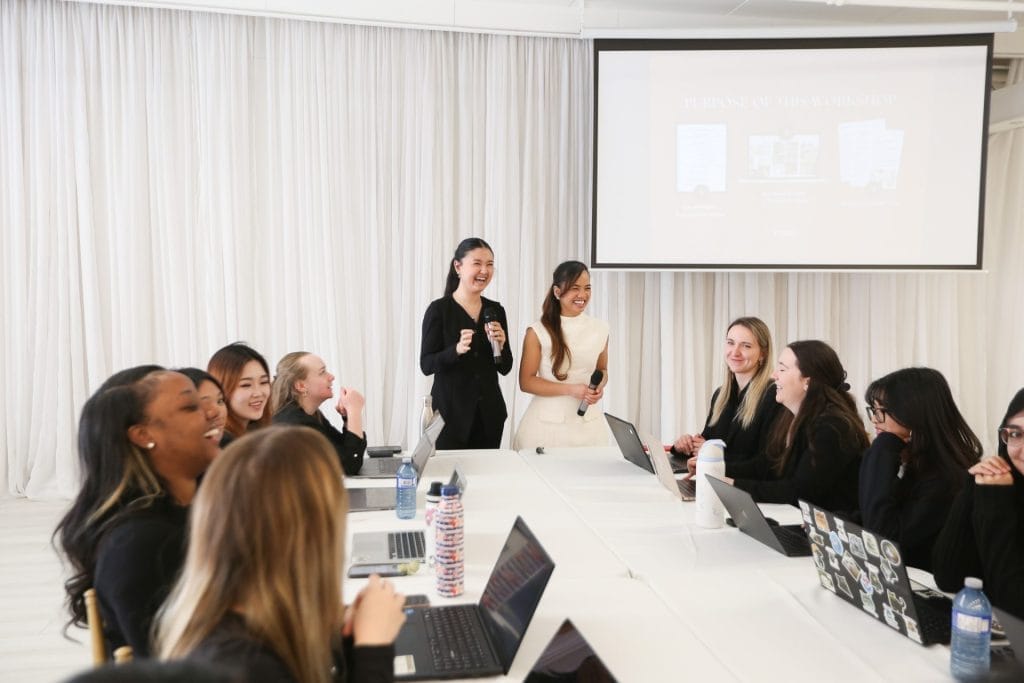

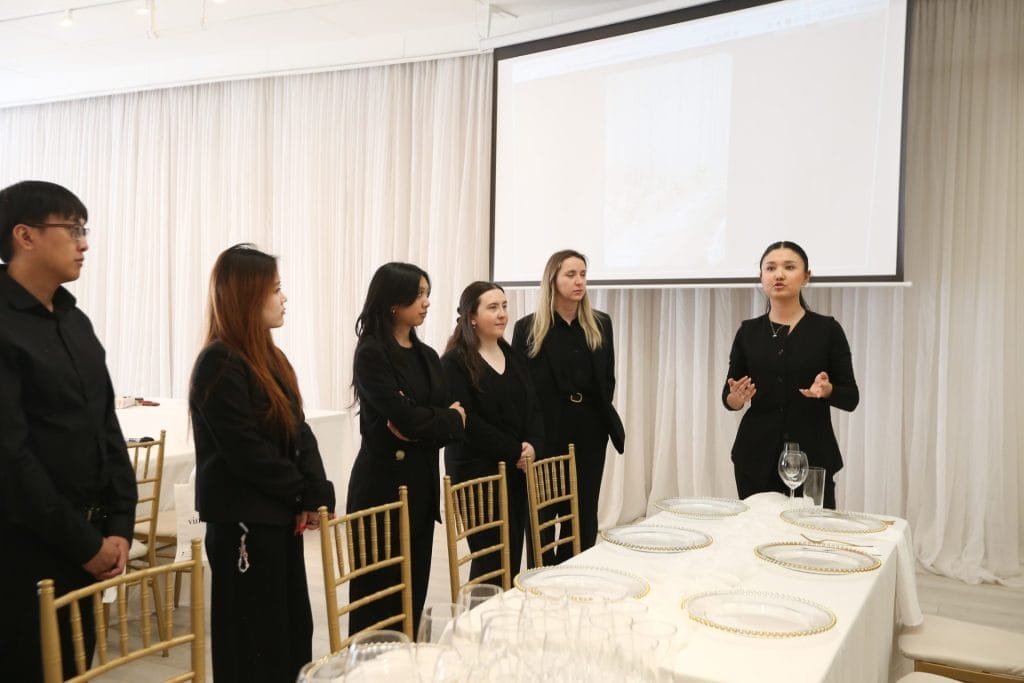


That experience shaped The V Wedding Planner Program™ (VWPP). Its 12-module curriculum centers on career positioning and networking. Students learn to build strong professional relationships. They also discover how to secure assisting opportunities. Furthermore, they master approaching experienced planners to build real connections instead of sending ignored messages.
New planners no longer have to rely on trial and error for outreach. The program provides a clear structure for building a network from scratch. Students also learn to gain portfolio-worthy experience through real collaborations.
Frequently Asked Questions
A short, specific message that references their work and asks one focused question tends to work better than a general request for mentorship. Offering something in return, like assisting at an event, often increases the chances of a positive response.
Connecting through social media first, by engaging with their content or attending events they’re involved in, often builds familiarity that makes a direct message feel less random. Both approaches can work, but a warm introduction tends to get better results than a cold message.
Waiting one to two weeks before sending a single polite follow-up message respects the planner’s time while still keeping the conversation open. If there’s still no response after that, it’s usually best to move on without further follow-up.
Asking for mentorship typically involves requesting advice, guidance, or feedback, while asking to assist involves offering to help with real work in exchange for hands-on experience. Assisting often leads to mentorship naturally, since it builds a working relationship over time.
Building relationships with experienced planners takes patience and the right approach, but those connections often shape the early years of a planning career. For planners ready to build the skills and confidence behind those conversations, joining the VWPP waitlist offers early access when enrollment opens.
You Might Also Like: