How to Build a Wedding Planning Brand That Actually Books Clients
Building a wedding planning brand means creating a clear positioning, a consistent visual identity, a documented client process, and a visibility strategy that turns strangers into paying couples. The strongest brands combine a defined niche, polished proof of work, and systems that make every client interaction feel professional from the first inquiry. New planners who skip this groundwork often struggle to charge premium rates or attract repeat referrals.
Toronto’s wedding market is competitive, and couples have endless options scrolling through Instagram every night. A planner with a vague Instagram bio and no real systems looks like a hobbyist, not a business. Building a brand fixes that gap fast.
Why Branding Matters More Than Talent Alone
Skill gets a planner through the wedding day. Brand gets the inquiry in the first place. Many talented planners stay invisible because their online presence does not communicate who they serve or what makes them different.

A brand answers three questions instantly: who is this for, what do they get, and why should they trust this person with their wedding day. Couples make emotional decisions backed by visual cues, so consistency matters here.
| Brand Element | What It Communicates | Common Mistake |
| Niche | Who you serve best | Trying to appeal to everyone |
| Visual identity | Style and quality level | Inconsistent fonts, colors, photos |
| Portfolio | Proof of real experience | Using only stock or styled shoots |
| Client process | Professionalism and structure | No documented system |
| Online presence | Discoverability and trust | Inactive or generic profiles |
1. Define a Niche Before Anything Else
A niche is not a restriction. It is a filter that attracts the right couples and repels the wrong ones. A planner who works with intimate elopements in Muskoka attracts very different inquiries than one who markets to large ballroom weddings in downtown Toronto.
Pick a niche based on real strengths and genuine interest, not what looks trendy. Couples can sense when a planner is faking enthusiasm for a style.
- Identify the wedding sizes and budgets that fit current experience
- Choose a style or aesthetic that feels natural to plan
- Research local venues that match that niche
- Write a one-sentence positioning statement and test it on real people
Build a Visual Identity That Feels Intentional
Visual identity covers logo, color palette, typography, and photography style. These elements show up on the website, Instagram grid, proposals, and even email signatures. Inconsistency across these touchpoints makes a brand feel unfinished.
Tools like Canva work well for early-stage brand kits, while platforms like Adobe Express offer more design flexibility as a brand grows. The goal is not perfection on day one. The goal is consistency that builds recognition over time.
2. Create a Portfolio That Proves Real Experience
A portfolio should show actual planning work, not just pretty photos. Couples want to see timelines managed, vendor teams coordinated, and problems solved, not just floral arrangements.

New planners without paid weddings yet can build portfolios through styled shoots, volunteering with established planners, or assisting at events run by venues. Each project adds credible proof of capability.
Document everything during real events. Photos, vendor lists, timelines, and client feedback all become portfolio assets later.
3. Documented Systems Separate Hobbyists From Professionals
Couples are placing significant trust and money into someone’s hands for one of the biggest days of their lives. A planner without a documented process looks unprepared, even if the work itself is solid.
Systems also protect the planner. Clear contracts, consultation scripts, and boundary-setting templates prevent scope creep and protect time and income.
Build a Repeatable Client Journey
Every inquiry should follow a predictable path from first contact to final wedding day execution. This consistency reduces stress and creates a smoother experience for clients.
A basic client journey includes these stages:
- Inquiry response within 24 hours
- Discovery call or consultation
- Proposal and contract signing
- Onboarding and planning timeline
- Regular check-ins leading up to the wedding
- Final month logistics and vendor confirmations
- Wedding day execution
- Post-wedding follow-up and testimonial request
Price With Confidence, Not Guesswork
Pricing confusion is one of the biggest reasons new planners undercharge. Researching local market rates through resources like The Knot’s wedding pricing guides helps establish realistic benchmarks for Toronto and the surrounding GTA.
Packages should reflect the actual time, expertise, and risk involved in managing a wedding. A planner who prices based on fear of losing a client often ends up overworked and underpaid.
4. Visibility Strategies That Actually Bring Inquiries
A beautiful brand with zero visibility does not generate income. Visibility comes from consistent content, local search optimization, and genuine relationships within the wedding industry.
Local SEO and Online Presence
Google Business Profile listings help local couples find planners searching for “wedding planner Toronto” or similar terms. Setting this up correctly through Google Business Profile is one of the highest-impact, lowest-cost visibility moves available.
A website should clearly state location, services, and niche. Blog content answering common questions couples search for builds long-term organic traffic.
Vendor Relationships and Referrals
Vendors talk to each other constantly. Photographers, florists, and venue coordinators often refer planners they trust and enjoy working with.
Attending industry events, joining associations like the Wedding Planners Institute of Canada, and showing up reliably on wedding days builds the kind of reputation that generates steady referrals without paid ads.
How V Wedding Academy Builds This Foundation


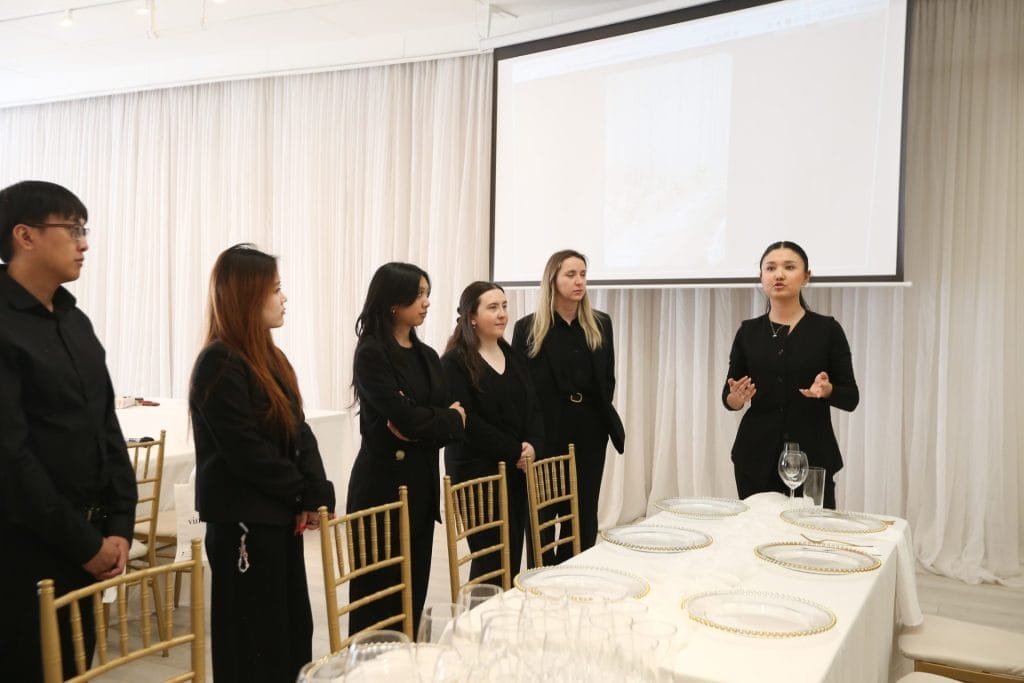
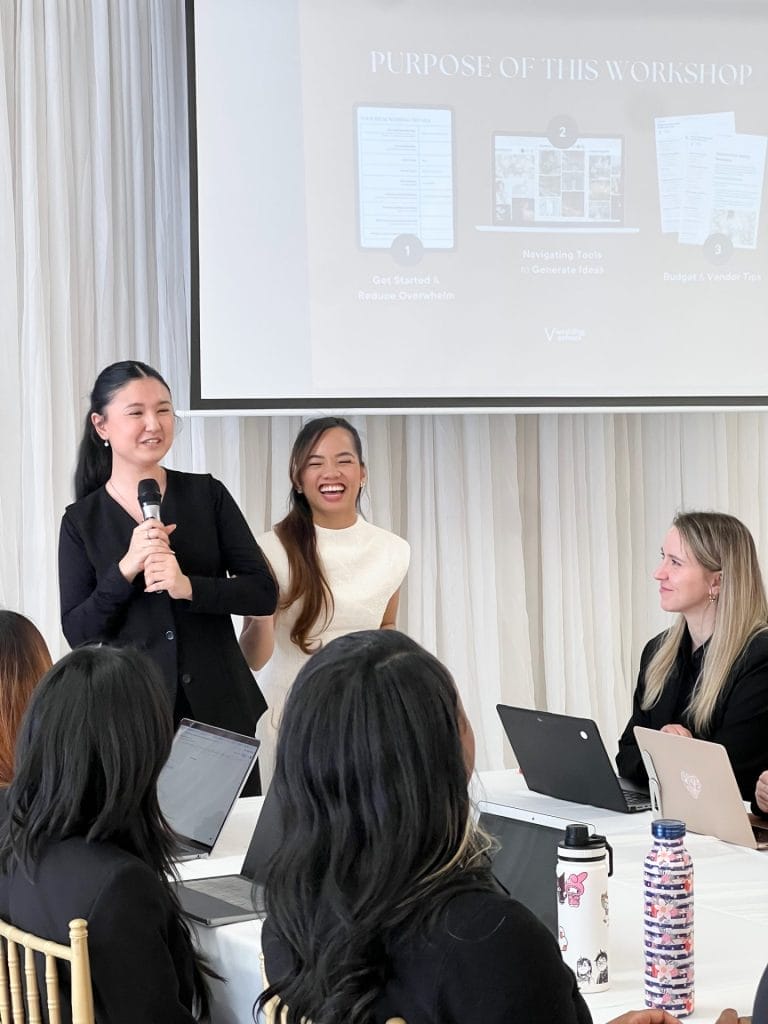
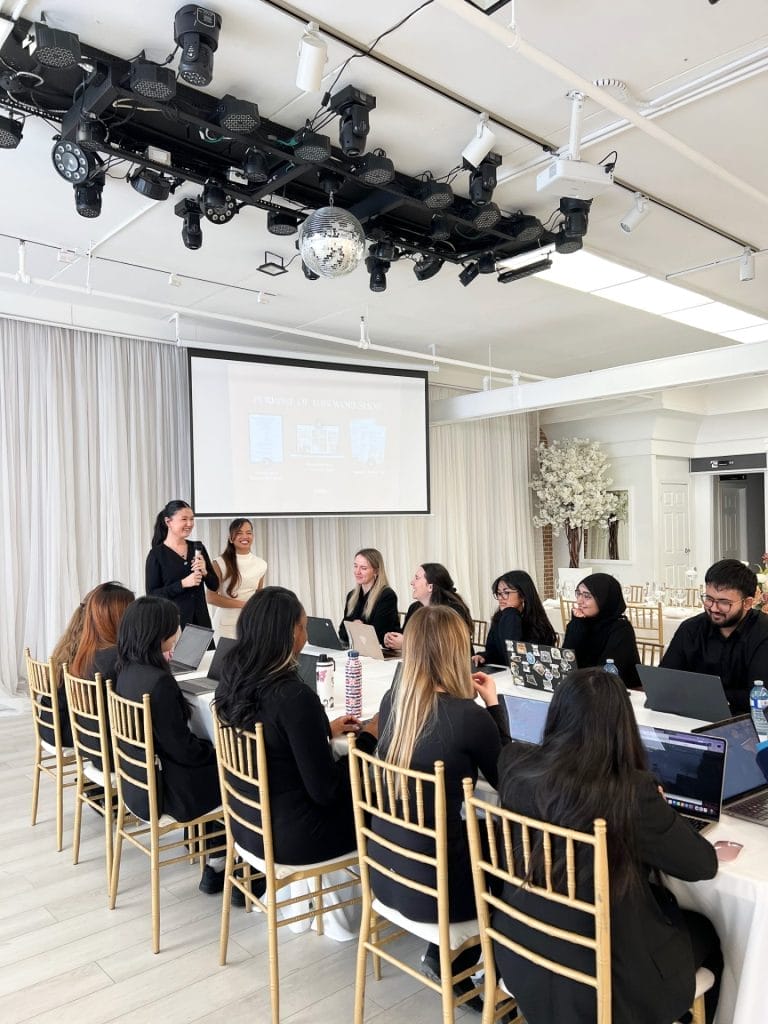
V Wedding Academy was built inside real wedding businesses, not a classroom. Founded by sisters Pauline, Kyla, and Kyra, the academy grew out of a company that has supported over 2,000 weddings and trained more than 500 students and interns.
That scale forced the creation of documented workflows, client onboarding systems, vendor coordination protocols, and pricing frameworks. Those exact systems now form the foundation of The V Wedding Planner Program™ (VWPP).
VWPP covers everything from defining a niche and building a portfolio to structuring consultations, writing contracts, and developing a local visibility strategy. The program moves through Foundation, Execution, Leadership, Business, and Visibility, mirroring the real progression planners go through when building a brand from scratch.
Students also receive the Plug-and-Play Planner Kit™, which includes consultation scripts, proposal templates, budget trackers, and vendor communication emails. These tools remove the guesswork that often slows new planners down during their first year.
Frequently Asked Questions
Most planners see meaningful traction within six to twelve months of consistent effort across portfolio building, content creation, and vendor networking. Brand recognition compounds over time as referrals and repeat exposure increase.
A simple one-page website with services, niche, and contact information is enough to start. A full portfolio site can develop alongside real client work.
A wedding planner typically manages the entire process from early planning through execution, including budgeting, vendor selection, and design direction. A coordinator usually steps in closer to the wedding date to manage logistics and timeline execution without earlier planning involvement.
V Wedding Academy was built from systems used inside an active wedding company managing thousands of real events, focusing on business infrastructure and operational confidence rather than design theory alone.
VWPP includes 12 self-paced modules covering planning foundations, client systems, budgeting, vendor management, design direction, and business launch strategy, along with certification and the Plug-and-Play Planner Kit™.
Building a wedding planning brand takes time, but every system, template, and portfolio piece compounds toward a business that runs with structure instead of guesswork. For planners ready to build that foundation with proven frameworks, joining the VWPP waitlist provides early access when enrollment opens.
You Might Also Like:
- How to Build a Vendor Network That Fuels Your Wedding Planning Career
- How to Build Unbreakable Wedding Client Relationships That Lead to Referrals, Repeat Bookings, and a Thriving Wedding Planning Business
- 9 Real Wedding Planner Challenges (And Exactly How Professionals Handle Them)
- Who We Are – V Wedding Academy