How to Build a Vendor Network That Fuels Your Wedding Planning Career
The fastest way to grow a wedding planning business is through strong vendor relationships and genuine industry networking, not paid ads. Planners who build trusted vendor circles get referred consistently, negotiate better rates, and handle wedding-day surprises with a phone call instead of a scramble. Networking, done right, becomes the backbone of a sustainable career.
How to Build Wedding Vendor Relationships: Expert Planner Guide
Why Networking Matters More Than Most New Planners Realize
Toronto’s wedding scene runs on relationships. Venues, photographers, florists, and caterers talk constantly, and they remember who shows up prepared and who creates extra work.

New planners often focus all their energy on attracting couples directly. That matters, but vendor relationships often generate the steadiest stream of referred clients over time.
A planner who’s known for being organized, respectful of timelines, and easy to work with becomes the planner vendors recommend first. That reputation takes time to build, but it pays off for years.
Direct Marketing vs. Vendor Networking: What Actually Drives Bookings
| Approach | Time to See Results | Cost | Long-Term Value |
| Paid social ads | Fast (weeks) | Ongoing cost | Low without strong conversion |
| SEO and content marketing | Slow (months) | Low to moderate | High, compounds over time |
| Vendor referral relationships | Moderate (a few events) | Mostly time investment | Very high, self-sustaining |
| Industry events and associations | Moderate | Membership fees | High for credibility and contacts |
Most successful planners combine all four, but vendor relationships consistently show up as one of the highest-value, lowest-cost channels for new bookings.
Start With Vendors You Already Know
Every planner starts somewhere, and that somewhere is usually the vendors already in their circle, past coworkers, classmates, or local businesses encountered through previous events.

Reach Out With a Clear Purpose
A vague “let’s connect” message rarely leads anywhere. Instead, be specific about what kind of weddings you’re working on and who you’d love to collaborate with.
For example: “I’m planning a few intimate garden weddings this season and I’d love to know more about your floral packages for smaller guest counts.”
Offer Value Before Asking for Anything
Share a couple’s planning timeline with a vendor early so they can prepare better. Recommend a vendor to a couple even before working together officially.
Small gestures like these build goodwill fast, and goodwill is what turns a cold contact into a long-term collaborator.
Attend Industry Events, Even the Ones That Feel Intimidating
Bridal shows, vendor meetups, and industry mixers can feel awkward, especially for newer planners standing in a room full of established names. That feeling is normal, and it fades fast once a few real conversations happen.
Show Up Prepared, Not Polished
Bring business cards, sure, but also bring genuine curiosity. Ask vendors about their busiest seasons, what frustrates them about working with planners, and what makes a collaboration smooth from their end.
These conversations reveal exactly what vendors look for in a planner, information that’s nearly impossible to find anywhere else.
Follow Up Within 48 Hours
A quick message after meeting someone, referencing something specific from the conversation, makes a real difference. “It was great chatting about your seasonal availability, would love to send over a couple I’m working with for spring” feels personal and memorable.
For Toronto-based planners, organizations like Wedding Planners Institute of Canada offer networking events, certification pathways, and a built-in community of professionals worth connecting with early.
Build a Vendor Reference List That Becomes a Competitive Advantage
A curated vendor list isn’t just a contact sheet. It’s proof to couples that a planner has connections, options, and the experience to match the right vendor to the right wedding.
Organize by Style, Budget, and Specialty
Couples come with wildly different visions and budgets. A florist who excels at lush, maximalist arrangements might not be the right fit for a minimalist micro-wedding, and vice versa.
- Group vendors by aesthetic (modern, classic, boho, luxury)
- Note typical price ranges for each vendor category
- Track which vendors specialize in smaller or larger guest counts
- Keep notes on communication style and reliability
Test Relationships on Smaller Events First
Before recommending a new vendor for a high-stakes wedding, try working together on a smaller event or styled shoot. This lowers the risk for everyone and gives a clear sense of how the vendor communicates under pressure.
Collaborating With Vendors During the Planning Process

Networking isn’t just about meeting people. The real test happens during active collaboration, when timelines tighten and decisions need to happen fast.
Share Information Early and Often
Vendors work better when they have context. Sending a detailed run sheet, floor plan, and timeline well ahead of the wedding day prevents last-minute confusion.
According to insights from The Special Event, one of the most common complaints vendors have about planners involves receiving incomplete or last-minute information, which creates avoidable stress for everyone involved.
Respect Each Vendor’s Expertise
A planner’s job isn’t to micromanage every vendor’s craft. It’s to coordinate timing, manage expectations, and make sure everyone has what they need to do their job well.
Asking a florist for their professional opinion on a design detail, rather than dictating exactly how something should look, builds mutual respect and often leads to better results.
Communicate Changes Immediately
If a timeline shifts or a couple changes their mind about something that affects a vendor’s setup, that vendor needs to know as soon as possible. Vendors remember planners who keep them in the loop, and they remember the ones who don’t.
Handling Vendor Conflicts Without Burning Bridges
Even with the best relationships, conflicts happen. A vendor runs late, a delivery gets mixed up, or expectations don’t align on the day.
Address Issues Privately First
Never call out a vendor in front of the couple or other vendors. Pull them aside, address the issue calmly, and focus on solving the problem rather than assigning blame in the moment.
Debrief After the Event
A short conversation after the wedding, what worked well, what could improve next time, keeps the relationship strong and shows professionalism. Most vendors appreciate constructive feedback delivered respectfully.
Know When to Part Ways
Sometimes a vendor relationship simply doesn’t work, despite best efforts. Recognizing this early and moving on professionally protects both the planner’s reputation and future client experiences.
Leveraging Social Media for Vendor Visibility
Social media isn’t just for attracting couples. It’s also a powerful tool for staying visible to vendors and building credibility within the local industry.
- Tag vendors in posts and stories from real weddings
- Share behind-the-scenes content that highlights collaboration
- Comment genuinely on vendor posts rather than generic likes
- Repost vendor content when it aligns with a planner’s brand
Platforms like Instagram remain a major discovery tool for both couples and vendors in the wedding industry, making consistent, authentic engagement worth the time investment.
How Strong Vendor Networks Protect Wedding Days
Every experienced planner has a story about a vendor cancelling last minute. The difference between a crisis and a minor hiccup often comes down to the strength of a planner’s vendor network.
A planner with five trusted florists on speed dial can pivot in hours. A planner with only one contact has no backup plan at all.
This is why networking isn’t just about growing a business. It’s about building the safety net that makes crisis management possible in the first place.
About V Wedding Academy and The V Wedding Planner Program™
V Wedding Academy was built inside real wedding businesses, not classrooms. Founded by sisters who scaled their own wedding and event company to support over 2,000 weddings and train more than 500 students and interns, the academy teaches the systems that actually hold up under pressure.


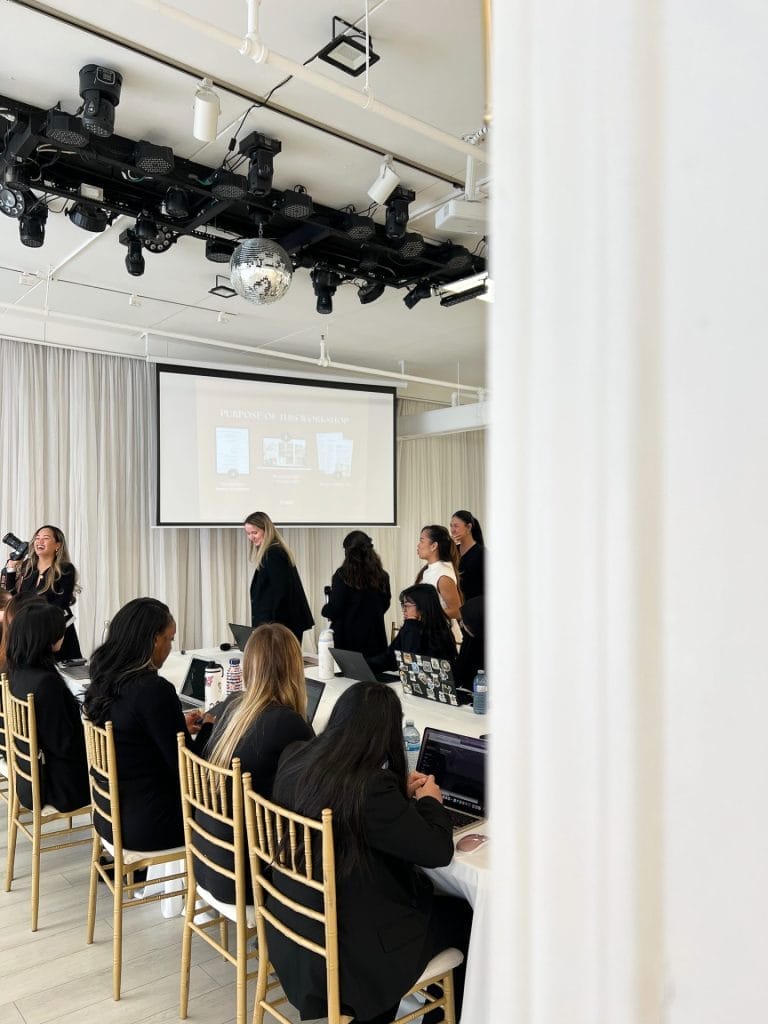

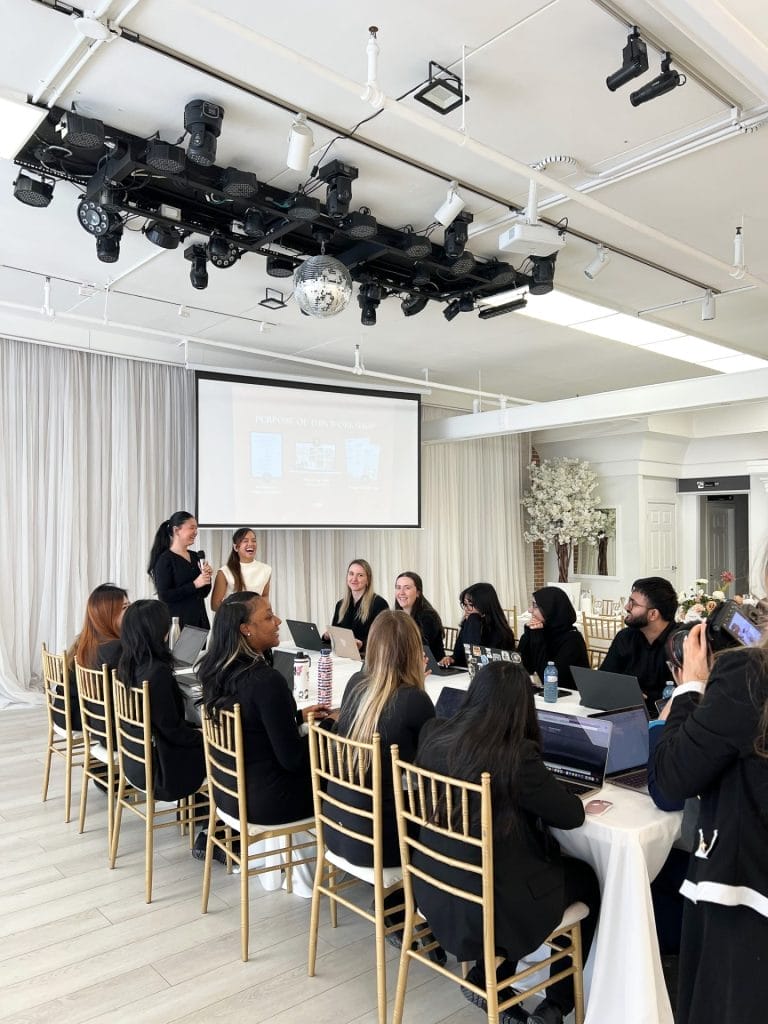


The V Wedding Planner Program™ (VWPP) includes an entire section dedicated to networking, referrals, and industry reputation, part of a broader module on visibility and long-term growth. The curriculum walks planners through how to build vendor relationships strategically, present themselves professionally at industry events, and create the kind of reputation that generates consistent referrals.
From first inquiry to final execution, every module builds toward the same goal: structured confidence backed by real systems.
If networking and vendor relationships feel like the missing piece in your planning journey, explore the full VWPP curriculum to see how this module fits into the bigger picture.
Frequently Asked Questions
There’s no magic number, but having at least two to three reliable contacts in each major category, florists, photographers, caterers, and venues, gives enough flexibility to handle most situations and client preferences.
Networking involves building genuine, two-way relationships where both parties benefit over time. Simply collecting business cards or following accounts without real interaction rarely leads to meaningful referrals or collaboration.
V Wedding Academy’s approach comes from real operational experience, having managed thousands of weddings and trained hundreds of students inside active businesses, so the networking strategies taught reflect what actually works in day-to-day vendor relationships, not just theory.
Yes. Bridal shows and industry events are valuable for building relationships and learning the landscape, regardless of how established a planner’s business currently is. Many long-term collaborations start from these early connections.
Having a backup vendor list organized by style and budget allows for a quick pivot. Reaching out to the backup vendor with full context about the couple’s vision and timeline helps maintain consistency despite the change.
Curious how networking fits into a complete planning business framework? Join the V Wedding Planner Program™ waitlist to get notified when enrollment opens.
You Might Also Like:
- How to Build Unbreakable Wedding Client Relationships That Lead to Referrals, Repeat Bookings, and a Thriving Wedding Planning Business
- 9 Real Wedding Planner Challenges (And Exactly How Professionals Handle Them)
- 7 Wedding Planner Challenges Killing Your Profits (& Fast Fixes)
- Who We Are – V Wedding Academy