How to Prepare for a Wedding Show: 5 Steps to Book 30+ Leads
Preparing for a wedding show involves setting clear goals, designing a booth that reflects a planner’s brand, bringing the right materials, and having a follow-up system ready before the event ends. Planners who treat shows as lead-generation events rather than just exposure tend to walk away with stronger results. Preparation in the weeks before the show matters just as much as the day itself.
Wedding shows in Toronto draw hundreds of engaged couples in a single weekend, and that kind of concentrated foot traffic does not come around often. Showing up unprepared wastes a rare opportunity.
How to Prepare for a Wedding Show Without Wasting Your Investment
Why Wedding Shows Still Matter for Planners
Online marketing gets a lot of attention these days, but wedding shows offer something digital ads cannot. Couples walk up, ask questions, and form an impression within seconds based on how a booth looks and how a planner talks to them.
That face-to-face moment builds trust faster than weeks of social media scrolling ever could. A planner who connects well at a show often gets remembered long after the event ends, especially if they followed up properly.
| Preparation Area | Why It Matters | Common Mistake |
| Booth design | First impression and brand recognition | Cluttered or generic displays |
| Lead capture system | Converting visitors into bookings | No system, relying on memory |
| Pricing materials | Setting expectations early | Vague or missing pricing guides |
| Follow-up plan | Closing the loop after the show | Waiting too long to reach out |
1. Setting Goals Before the Show
Walking into a wedding show without a clear goal is a bit like planning a wedding without a timeline. Everything feels busy, but nothing moves toward a result.
So what should a planner actually aim for? Goals usually fall into a few categories, and knowing which one matters most shapes everything else, from booth design to follow-up scripts.
Define What Success Looks Like
A planner attending their first show might aim simply for visibility and a handful of warm leads. A more established planner might set a target number of consultations booked within two weeks of the event.
- Set a specific lead capture goal, such as 30 to 50 contacts
- Decide on a follow-up timeline before the show even starts
- Identify which service package to highlight most
- Choose one or two vendors to collaborate with for added credibility
2. Designing a Booth That Reflects the Brand
A booth is basically a physical version of a website homepage. It needs to communicate who the planner is, what they offer, and why couples should care, all within a few seconds of walking by.
Keep the Visual Design Simple and Branded

Cluttered booths with too many colors, fonts, or competing visuals tend to blur together in a couple’s memory. A clean design with consistent colors and fonts that match the planner’s website and social media creates recognition.
Resources like Canva work well for creating signage, banners, and printed materials that match an existing brand kit. Consistency across every touchpoint, from Instagram to the booth banner, builds a stronger impression.
Showcase Real Work, Not Stock Photos
Couples want to see real weddings, real timelines, and real results. Printed photo books or a tablet slideshow showing actual events, including behind-the-scenes shots of coordination in action, tells a more convincing story than polished stock imagery.
If a planner has limited paid weddings so far, styled shoots and assisted events still count as real work worth showcasing.
Create an Inviting, Interactive Element
Couples walk past dozens of booths in a single afternoon, and a passive display often gets ignored. A small interactive element, like a quick quiz about wedding planning style or a simple giveaway entry, gives people a reason to stop and chat.
3. Materials Every Planner Should Bring
Forgetting key materials at a wedding show can mean losing leads that never get followed up properly. A simple checklist the week before prevents last-minute scrambling.
Build a Pre-Show Checklist
- Business cards and a sign-up sheet or digital lead capture tool
- Printed pricing guides or service package overviews
- A portfolio book or tablet with real event photos
- Branded signage, banners, and table linens
- Contracts or consultation booking links ready to share
- Comfortable shoes and a backup outfit for long show days
Use a Lead Capture System That Actually Works
Relying on memory or a stack of business cards often leads to lost leads within days. Digital tools like HoneyBook allow planners to quickly log contact details and notes about each conversation right at the booth.
Adding a quick note about what each couple talked about, like their wedding date or style preferences, makes follow-up emails feel personal rather than generic.
4. What to Expect During the Show

Wedding shows can feel overwhelming, especially for planners attending for the first time. Long hours, repetitive conversations, and constant foot traffic test even experienced professionals.
Practice the Pitch Without Sounding Scripted
Couples can sense when someone sounds rehearsed, and that often pushes people away rather than drawing them in. Practicing a short, natural introduction beforehand helps planners sound confident without sounding robotic.
A simple structure works well: introduce the business in one sentence, ask the couple a question about their wedding plans, then connect their answer to how the planner can help.
Handle Slow Periods Productively
Not every moment at a wedding show involves a steady stream of visitors. During quieter stretches, planners can review their lead list, jot down notes, or simply rest their voice for the next wave of conversations.
Stay Energized Throughout the Day
Wedding shows often run six to eight hours, and energy levels naturally dip by the afternoon. Staying hydrated, taking short breaks, and bringing snacks helps maintain the kind of warm, approachable presence that draws couples in.
5. Following Up After the Show
The show itself is only half the work. What happens in the days afterward often determines whether all that effort turns into actual bookings.
Reach Out Within 48 Hours
Couples attend multiple shows and talk to dozens of vendors, so memories fade fast. A short, personalized email or message sent within a day or two keeps the planner fresh in their mind.
Segment Leads by Interest Level
Not every contact collected at a show is ready to book right away. Sorting leads into categories, such as ready to book, still exploring, or just gathering information, helps planners prioritize follow-up efforts and avoid wasting time on cold leads.
Offer a Small Incentive for Booking Soon
A limited-time discount or bonus for couples who book a consultation within two weeks of the show can encourage faster decisions. This works especially well for couples who were close to deciding but needed a small nudge.
How V Wedding Academy Prepares Planners for Real-World Moments Like This
V Wedding Academy was built inside an active wedding business, not a classroom. Founded by sisters Pauline, Kyla, and Kyra, the company has supported over 2,000 weddings and trained more than 500 students and interns over nearly a decade.


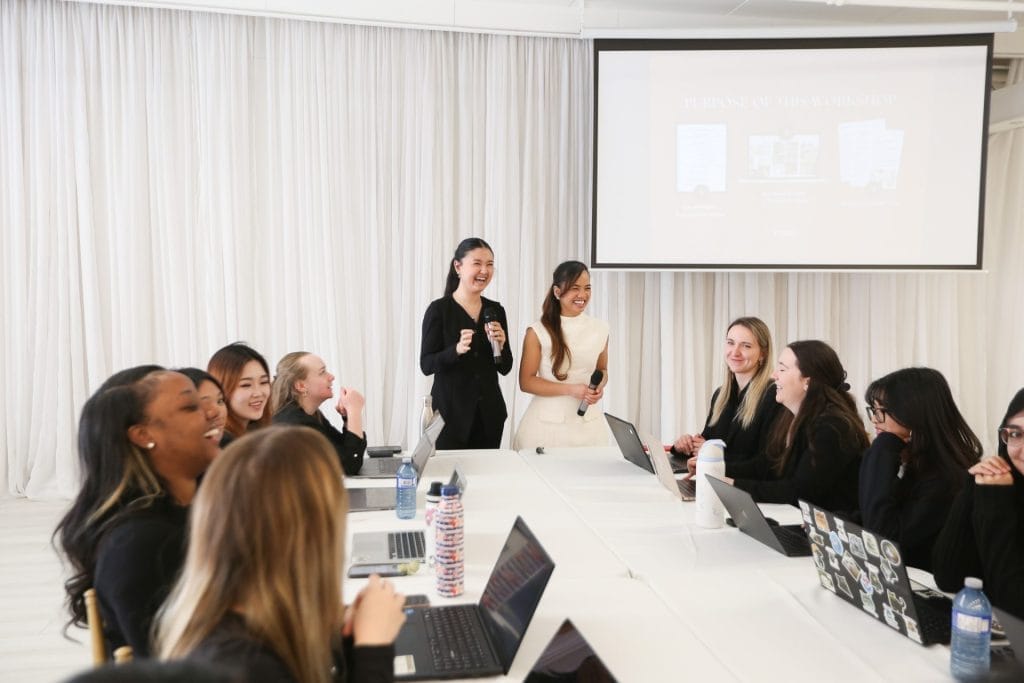
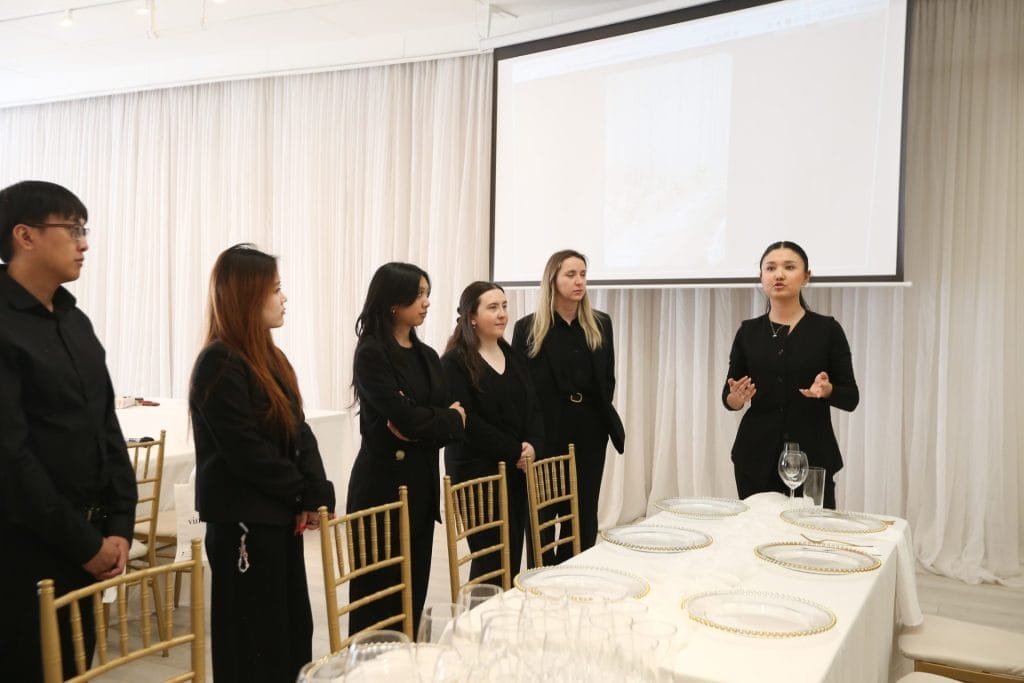

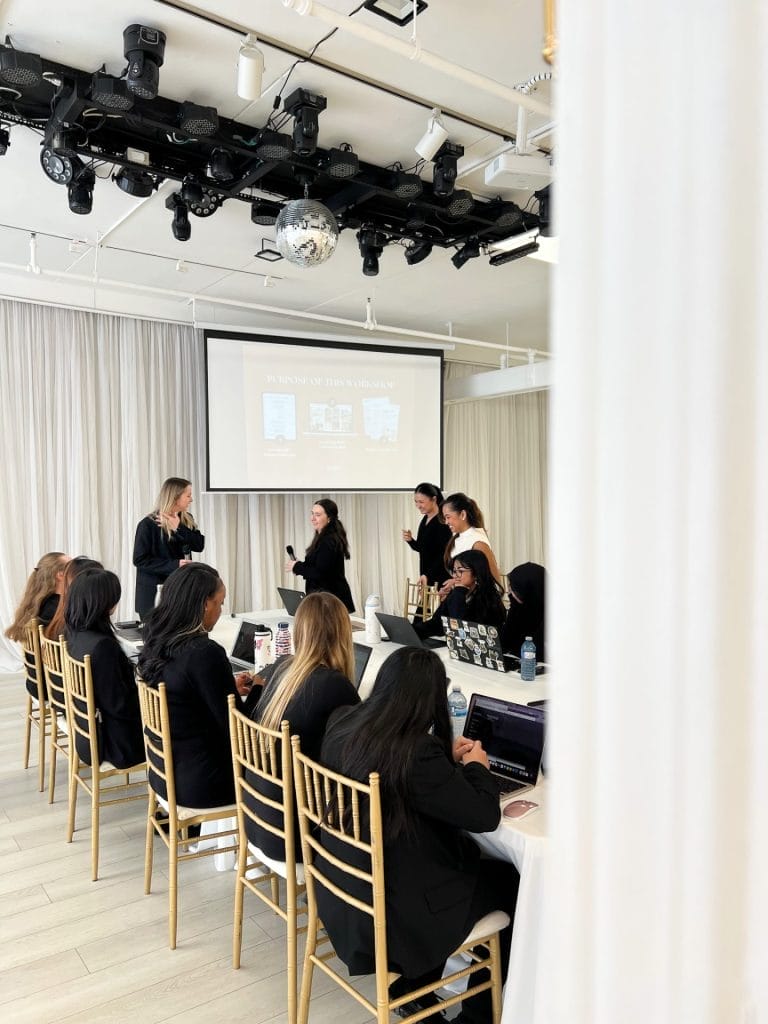


That hands-on experience shaped The V Wedding Planner Program™ (VWPP), a 12-module curriculum covering everything from client onboarding and proposal presentation to visibility, branding, and business growth. Students learn how to structure consultations, present packages confidently, and build the kind of brand presence that translates well into in-person settings like wedding shows.
The program also includes the Plug-and-Play Planner Kit™, which provides inquiry response templates, proposal presentation outlines, and client consultation scripts. These resources help planners walk into high-pressure settings, like a busy wedding show floor, with a clear plan instead of improvising on the spot.
Frequently Asked Questions
Booth costs vary widely depending on the show’s size and location, often ranging from a few hundred to over a thousand dollars for booth space alone. Additional costs for signage, printed materials, and giveaways should get factored into the overall budget.
Wedding shows offer face-to-face connection that social media cannot replicate, while social media provides ongoing visibility between events. Most successful planners use both, treating shows as a way to convert warm local interest while social media builds long-term brand awareness.
New planners can showcase styled shoots, assisted events, or volunteer coordination work as legitimate portfolio pieces. Framing these honestly as collaborative or assisted projects still demonstrates real skill and experience to couples browsing a booth.
Following up within 48 hours gives the best chance of staying memorable, since couples often speak with dozens of vendors in a single day. Personalizing each message based on notes taken during the conversation increases the chances of a response.
V Wedding Academy’s VWPP covers client consultations, proposal presentation, and branding through modules built from systems used inside an active wedding company managing thousands of real events. The Plug-and-Play Planner Kit™ also provides scripts and templates that translate directly into in-person settings like wedding shows.
Wedding shows reward planners who walk in prepared, present their brand clearly, and follow up with intention. For planners ready to build the systems and confidence behind moments like these, joining the VWPP waitlist offers early access when enrollment opens.
You Might Also Like: