
Can You Make a Living as a Wedding Planner?
When people ask, “can you make a living as a wedding planner?“, the answer is a resounding yes—but only if you turn planning into a structured, income-generating business rather than treating it like a hobby. Many wonder, is wedding planning a good career? It absolutely can be, provided you understand that true profitability requires much more than a good eye for floral arrangements and tablescapes.
The event industry is highly glamorized, which leads to a major disconnect for beginners. We realized something important early on: most aspiring planners are taught inspiration, but very few are taught infrastructure.
Here is the reality of what it takes to build a financially sustainable career in the wedding industry.
Can You Make a Living as a Wedding Planner?
Inspiration vs. Infrastructure
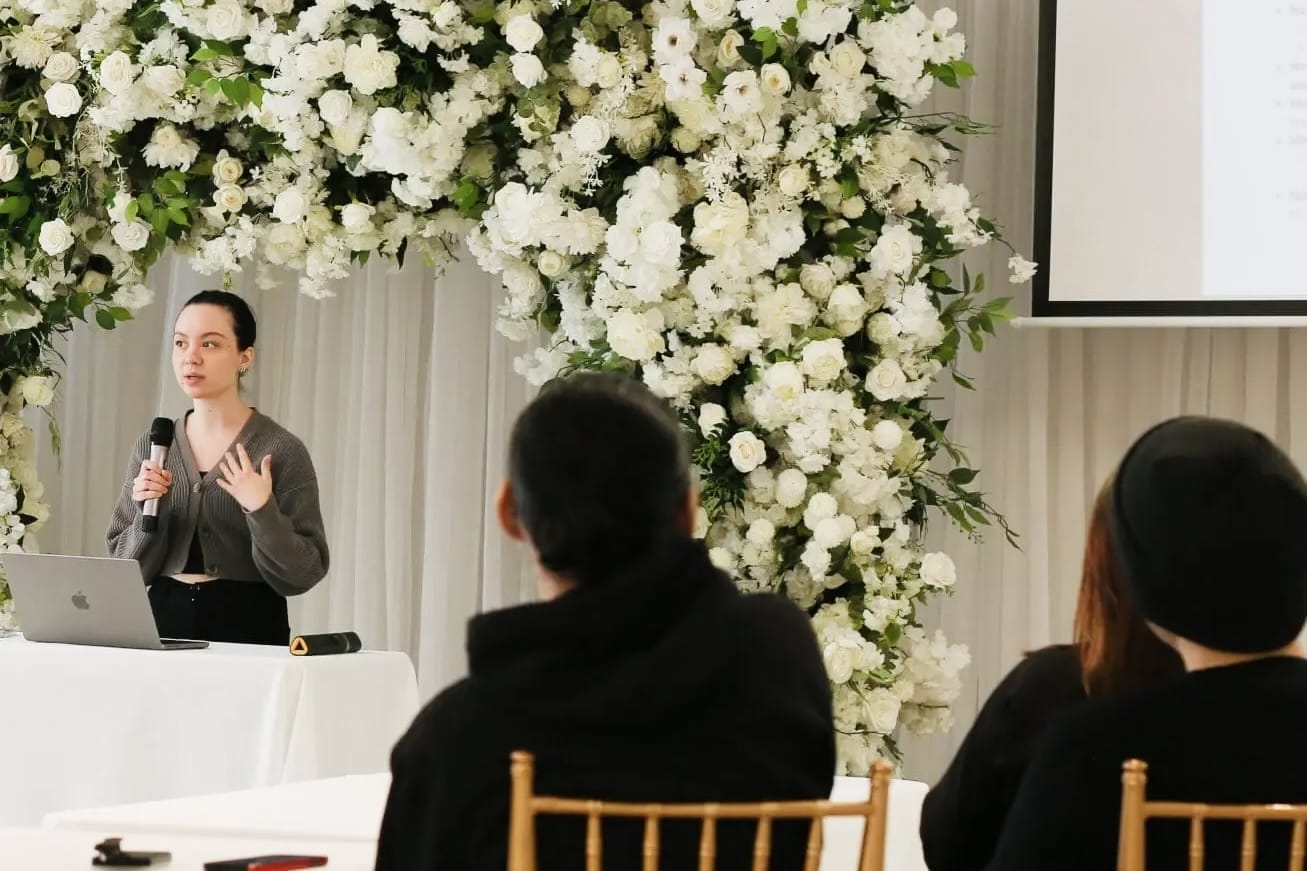
Learning how to build a wedding planning business means mastering the unglamorous side of the job. If you want to know how to become a professional wedding planner who actually makes a profit, you need proven systems, real-world tools, and practical processes.
A mood board will not save you when a vendor runs late or a budget is mismanaged. Your ability to anticipate risk before it becomes a problem, lead client relationships with authority, and manage vendor teams with clarity is what justifies your fees.
Designing Your Income Streams Strategically
Your wedding planner salary isn’t handed to you; it is actively engineered. The shift from charging low, entry-level fees to making a sustainable living relies heavily on strategic budgeting and confident pricing.
To protect your profitability and reputation, you must move away from guesswork. This requires implementing structured client journeys and clear pricing models from day one. When you charge with confidence and utilize contracts and operational systems, you attract higher-value clients who respect your time and expertise.
The Reality of the Work
To make a living, you have to be prepared for the reality of the work. Before there were courses or frameworks, there were real wedding days. The job involves tight timelines, complex vendor teams, high client expectations, and pressure that doesn’t wait.
You must be able to build timelines that actually work in real time and feel in control on wedding days. Overcoming these challenges—and building systems that save you time and stress—is exactly what allows you to scale your income.
Local vs. Global Markets: Toronto, Ontario, and Beyond
Income potential often shifts depending on your market. For those looking to become a wedding planner Canada offers diverse opportunities. When starting a wedding planning business Ontario presents a mix of small towns and major hubs, which naturally impacts pricing structures.
Because of the premium cost of city venues and vendor minimums, the wedding planner salary Toronto professionals can command is often higher than in smaller municipalities. However, whether you are building an event planner career Toronto or coordinating luxury destination weddings globally, the foundational business systems remain exactly the same.
The V Wedding Academy Standard

At V Wedding Academy, we know what it takes to make a living in this industry because our academy was built from the inside of active wedding businesses — not from a classroom. Founded by sisters Kyla, Kyra, and Pauline, our framework is the result of turning one small service in 2015 into a multi-division wedding and event company.
We didn’t just plan events; we built infrastructure.
Over the past nine years, we have assisted in over 2,000 weddings and events, executed 100+ events in our very first year, and trained more than 500 students and interns. That scale became our foundation.
Through repetition, refinement, and real execution, we shaped every workflow, checklist, and standard we teach so we can operate at volume without sacrificing quality.
V Wedding Academy exists for those who want more than surface-level knowledge. We share the exact framework needed to turn your passion into a structured, profitable career.
Frequently Asked Questions (FAQs)
Yes, but long-term growth requires business-first training, not just design theory. Planners who master the full client journey, strategic pricing, and business structure are the ones who build sustainable, scalable careers.
A wedding planner’s income is determined by their pricing model (flat fee vs. percentage), the volume of weddings they take on, and their ability to attract higher-value clients. Operating in a major city often allows for higher price points, but it also requires client-ready systems to manage inquiries and bookings efficiently.
The best way to start is by learning proven systems immediately. Instead of second-guessing yourself, seek out professional certification that provides practical tools, templates, and hands-on training for timeline building and wedding day execution.
You Might Also Like: