
How Much Do Wedding Planners Get Paid? A Realistic Look at Industry Income
In Canada and the US, a full-time wedding planner makes an average of $45,000 to $75,000 per year, but independent business owners often earn well over $100,000 annually. Your actual income depends entirely on your pricing model, your local market, and the number of events you manage each season. For example, a solo planner in Toronto charging a flat fee of $6,000 for full-service planning and taking on 12 weddings a year will gross $72,000 before business expenses. Making a lucrative career out of event planning requires moving past pretty mood boards and building an actual operational structure.
If you want to turn a passion for events into a sustainable, income-generating business, you need to understand the numbers. Here is exactly what you can expect to earn and how to protect your profitability in the wedding industry.
How Much Do Wedding Planners Get Paid in 2026
The Average Wedding Planner Salary Breakdown

Income in the event industry scales directly with your experience, your geographic location, and your business model. Working as an employee for an established event firm looks very different from running your own brand.
- Entry-Level (Assistants and Junior Coordinators): $35,000 to $45,000 per year. When you are just starting, you are typically paid an hourly rate or a day rate to assist on-site. This is the training ground where you learn the reality of 12-hour event days.
- Mid-Level (Associate Planners): $50,000 to $75,000 per year. According to recent data from Indeed Canada, this represents the average base salary for professionals managing their own clients under a larger agency umbrella.
- Independent Business Owners: $80,000 to $150,000+ per year. When you own the company, your earning potential is uncapped. However, you are also responsible for marketing, taxes, software subscriptions, and paying your own assistants.
Location plays a massive role in these numbers. Planners operating in high-demand, high-cost-of-living areas like Toronto, Vancouver, New York, or London can charge significantly more than those in rural markets.
The Knot’s Real Weddings Study consistently shows that metropolitan couples spend more on their overall wedding budgets, which naturally creates room for higher planner fees.
The Three Ways Wedding Planners Charge
Your pricing structure dictates your revenue. Most professionals use one of three main pricing models to charge their clients.
1. The Flat Fee Structure
This is the most common and transparent way to price your services. You calculate the estimated hours an event will take, factor in your business overhead, and present a single price to the client.
For instance, you might charge $2,500 for Final Coordination (often incorrectly called month-of coordination) or $8,000 for Full-Service Planning. This method requires extreme clarity in your contracts to prevent clients from adding tasks outside your agreed scope.
2. Percentage of the Overall Wedding Budget
Many luxury event planners charge 10% to 20% of the total wedding budget.
If a couple spends $150,000 on a lavish Ontario estate wedding, the planner’s fee would be $15,000 to $30,000. This model ensures you are compensated fairly for the massive logistical effort required to manage six-figure budgets and complex vendor teams.
3. Hourly Rates
Charging by the hour is rare for full-service planning because the hours quickly become unpredictable.
However, many planners charge $75 to $150+ per hour for initial consultations, venue scouting, or á la carte advice for couples who just need a bit of professional direction.
Factors That Actually Impact Your Earnings
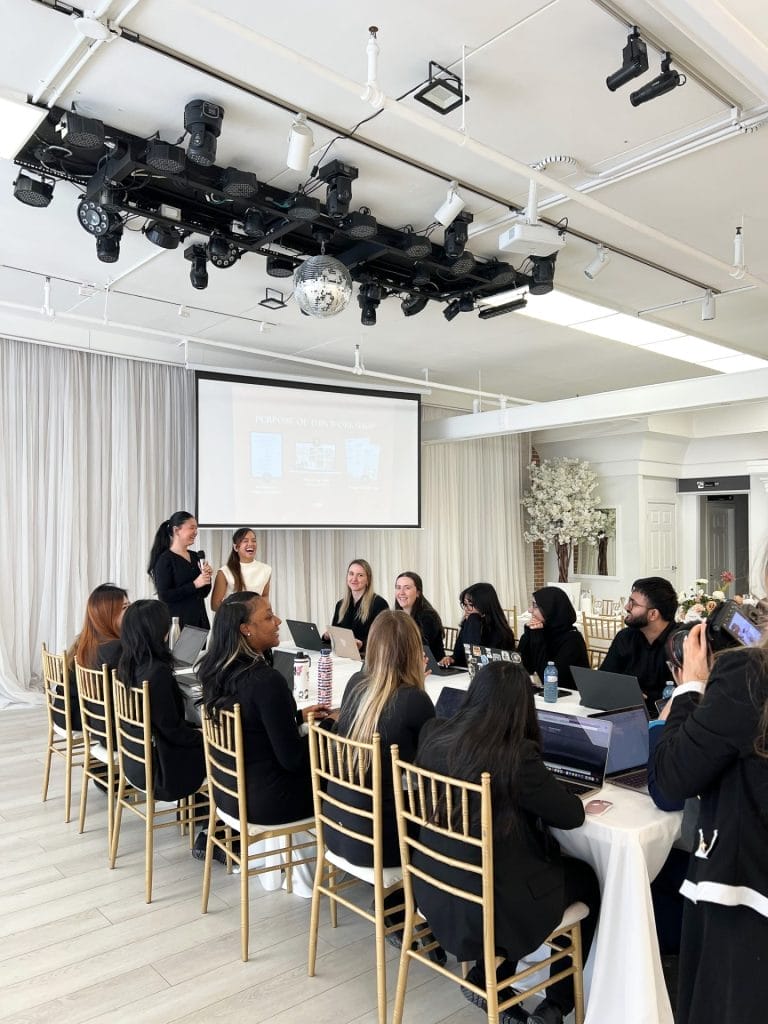
At V Wedding Academy, we have assisted in over 2,000 weddings and trained hundreds of interns.
We know firsthand that talent alone does not guarantee a high income. The planners who make the most money master the following elements.


Your Service Level
Couples are not simply hiring coordination. They are placing trust in your judgment and your structure.
Full-service planning commands the highest premium because you are managing the entire client journey from first inquiry to “I Do.”
Your Infrastructure and Systems
You can only take on as many weddings as your time allows.
If you lack structured workflows, you will burn out trying to manage 10 weddings a year. Planners with bulletproof internal systems, organized templates, and automated timelines can easily handle 20 to 30 weddings a year without dropping the ball.
Efficiency directly increases your earning ceiling.
Your Ability to Anticipate Risk
High-value clients pay for peace of mind.
When you can confidently manage complex vendor teams and mitigate risks before they become on-site disasters, venues and vendors will refer you to their top-tier clients.
Tips to Increase Your Wedding Planning Income
We built our brands from the ground up, moving from a small service offering to a multi-division event company.
If you want to scale your income, apply these foundational rules to your business.
- Stop Guessing Your Prices: Never price your services based on what a competitor down the street is charging. You do not know their overhead or their financial goals. Calculate your own minimum viable income, factor in the hours you actually spend on emails and admin work, and price accordingly.
- Strictly Define Your Scope of Work: Scope creep is the silent killer of profitability. If a client hires you for basic coordination but texts you daily for design advice, your hourly earnings plummet. Use clear contracts that explicitly state what is included and enforce boundaries politely but firmly.
- Build Strategic Vendor Relationships: Networking is not just about making friends. When you lead planning conversations with authority and make a caterer or florist’s job easier on the wedding day, they become your best marketing channel. Referrals from other established professionals lead to higher-paying clients.
Frequently Asked Questions (FAQ)
The wedding industry is unregulated, meaning there is no legal requirement to hold a degree. However, couples are spending tens of thousands of dollars on a high-stakes event. Professional training equips you with the contracts, risk management skills, and operational structure required to lead those events with confidence and justify premium rates.
Beginners often charge between $1,000 and $1,500 for basic coordination services while building their portfolio. As you gain real-world experience, refine your workflows, and collect client testimonials, you should aggressively raise your rates to meet professional industry standards.
Yes, it can be highly profitable if run like a real business. Planners who fail usually do so because they treat the job like an expensive hobby. Profitability requires strategic budgeting, confident pricing, and systems that protect your time.
Ready to Turn Event Planning into a Structured Career?
Most aspiring planners are taught design theory. Very few are taught the business infrastructure required to survive tight timelines and high client expectations.
If you are serious about building a skill set, managing vendors with authority, and turning planning into an income-generating business, you need practical systems. Join the waitlist for The V Wedding Planner Program™ today and get priority access to the operational blueprints we used to manage over 2,000 real-world events.
You Might Also Like: