
How to Build a Wedding Vendor Network That Actually Gets You Booked
A strong local vendor network is built through consistent, relationship-first outreach — not passive connection requests. Wedding planners who get booked regularly are the ones venues and vendors trust enough to recommend. That trust takes intentional effort, real conversations, and showing up in the spaces where your industry peers already gather.
How to Build a Local Wedding Vendor Network to Get Booked Fast
Why Your Local Network Is Your Most Valuable Business Asset
Most new planners focus on their Instagram feed or their website before they ever introduce themselves to a single florist. That’s a common mistake — and an expensive one.

According to The Knot’s 2023 Real Weddings Study, referrals from other wedding professionals remain one of the top ways couples find their planner. That means your network is not just a career bonus. It is, quite literally, your pipeline.
In a city like Toronto, where the wedding market is competitive and venues book up 12 to 18 months in advance, the planners who stay busy are rarely the ones with the best brand fonts. They are the ones who have built real trust with the photographers, florists, caterers, and venue coordinators who talk to couples every week.
That is the network worth building.
What a “Strong” Local Network Actually Looks Like
Before getting into the how, let us be clear about the what. A strong local vendor network is not a long contact list. It is a small group of professionals who:
- Know your name and your working style
- Trust your judgment under pressure
- Actively recommend you to their own clients
- Collaborate with you smoothly on wedding day
The goal is depth over breadth. Five florists who genuinely like working with you will generate more referrals than fifty contacts who barely know your name.
| Weak Network | Strong Network |
| Large contact list, low engagement | Smaller circle, high mutual trust |
| Follows vendors on social media only | Has worked alongside them in person |
| Sends cold emails asking for referrals | Gets referrals without having to ask |
| Treats vendor relationships transactionally | Maintains ongoing, genuine relationships |
| Has no visibility at local industry events | Recognized at industry gatherings |
That second column is the target. Here is how to get there.
How to Build a Local Wedding Vendor Network From Scratch
Start With the Venues
Venues are the hub of every local wedding market. Every venue coordinator speaks to dozens of engaged couples each month — and when couples ask for planner recommendations, venue coordinators give names they trust.
Reach out to local venues and request a site visit. Keep it professional and specific. Ask to see the space, learn about their preferred vendor list criteria, and introduce yourself as a planner who is building local roots. Most venue coordinators appreciate proactive planners because organized planners make their job easier on wedding day.
After your visit, follow up with a brief thank-you email and keep the contact warm with occasional, genuine check-ins — not spam. Over time, this becomes a mutual referral relationship.
Attend Local Wedding Industry Events
Toronto has a healthy ecosystem of wedding industry events, styled shoots, trade shows, and networking mixers. Organizations like Canadian Special Events and regional wedding associations host meetups specifically designed for vendor networking.
Show up consistently. One event appearance will not move the needle. But showing up three, four, five times — being the person who asks good questions, stays curious, and actually follows up afterward — that builds recognition. Recognition builds trust. Trust turns into referrals.
If formal events feel out of reach at first, look for informal gatherings: workshops, open houses at florist studios, styled shoot invitations, or venue launch parties. These lower-stakes environments often produce stronger connections than a crowded bridal expo.
Collaborate on Styled Shoots
A styled shoot is a photoshoot where a team of vendors creates a mock wedding setup to produce portfolio content. They are one of the most efficient networking tools available to a new planner.
When you coordinate or assist with a styled shoot, you are working side by side with photographers, florists, rental companies, and stylists in real time. You demonstrate how you communicate, how you problem-solve, and how you handle the pressure of a production day. That is the kind of proof no business card can provide.
Reach out to local photographers or rental companies who regularly organize styled shoots and ask to be involved. Come prepared, be easy to work with, and contribute creatively. The vendors who join you will remember the experience — and they will refer clients accordingly.
Build Relationships With Photographers
Wedding photographers are one of the most powerful referral sources in the industry. They attend more weddings annually than almost any other vendor type, they communicate directly with couples throughout the planning process, and couples trust their opinions.

A photographer who has shot a wedding where you ran a flawless timeline will mention your name unprompted. A photographer who has seen you handle a rain backup, a catering delay, or a missing officiant will recommend you with confidence.
Prioritize getting to know the photographers who serve your target market. Attend their portfolio showcases, engage meaningfully with their work, and when possible, invite them to collaborate on styled content. These relationships compound over time.
Join Professional Associations
Professional membership organizations for wedding and event planners give you structured access to a network of peers and seasoned professionals. Groups like Wedding Planners Institute of Canada (WPIC) offer both education and community — and being a member signals to vendors and clients alike that you take your career seriously.
Membership alone will not build your network. But the events, forums, and introductions that come with it create the conditions for real relationships to form. Attend member meetups. Participate in online discussions. Volunteer for committee roles if possible. Visibility within your professional community directly feeds your local reputation.
Be the Planner Vendors Actually Enjoy Working With
This point sounds soft but it is strategic. Vendors talk. And what they say about you matters more than anything you publish online.
Planners who communicate clearly, respect vendor timelines, credit collaborators publicly, and stay calm under pressure get talked about in the best possible way. Planners who are disorganized, dismissive, or difficult to reach get talked about differently.
Practical ways to be the planner vendors recommend:
- Send detailed timelines and vendor contact sheets well before the wedding day
- Respond to vendor messages promptly during the planning process
- Tag and credit vendors in every piece of content you post
- Express genuine appreciation after each event, not just a generic thank-you
- Refer clients to vendors in your network whenever it is a genuine fit
These behaviors cost nothing but they build enormous goodwill over time.
Use Social Media as a Relationship Tool, Not Just a Broadcasting Platform
Most planners use Instagram and Pinterest for visibility — posting their work, sharing tips, attracting potential clients. That is useful. But social media also works as a networking tool when used intentionally.
Follow local vendors whose work you admire. Comment on their posts with thoughtful, specific observations. Share their content when it genuinely resonates. Tag them accurately in collaborative posts. Over time, these small signals create real digital familiarity that translates into real-world connection.
According to Hootsuite’s social media benchmarks, engagement rate matters more than follower count for building meaningful industry relationships. You do not need a massive platform to be noticed by local vendors. You need to show up consistently and add value.
Follow Up and Stay Visible Between Events
Relationship-building does not end when the styled shoot wraps or the networking event closes. The follow-up is often where the actual relationship begins.
Within 24 to 48 hours of meeting a new vendor, send a brief, personalized follow-up message. Reference something specific from your conversation. Make it easy for them to remember who you are and why the conversation mattered.
After that, stay warm. Share relevant content. Congratulate them on milestones. Recommend their services when it is appropriate. The planners who maintain a network do not wait until they need a referral to reach out. They invest in the relationship continuously, and referrals follow naturally.
About V Wedding Academy and The V Wedding Planner Program™
V Wedding Academy was founded by sisters Pauline, Kyla, and Kyra, who built a multi-division wedding and event company from the ground up starting in 2015. Over nearly a decade, they supported more than 2,000 events, trained over 500 students and interns inside their active businesses, and opened their own venue in 2019.


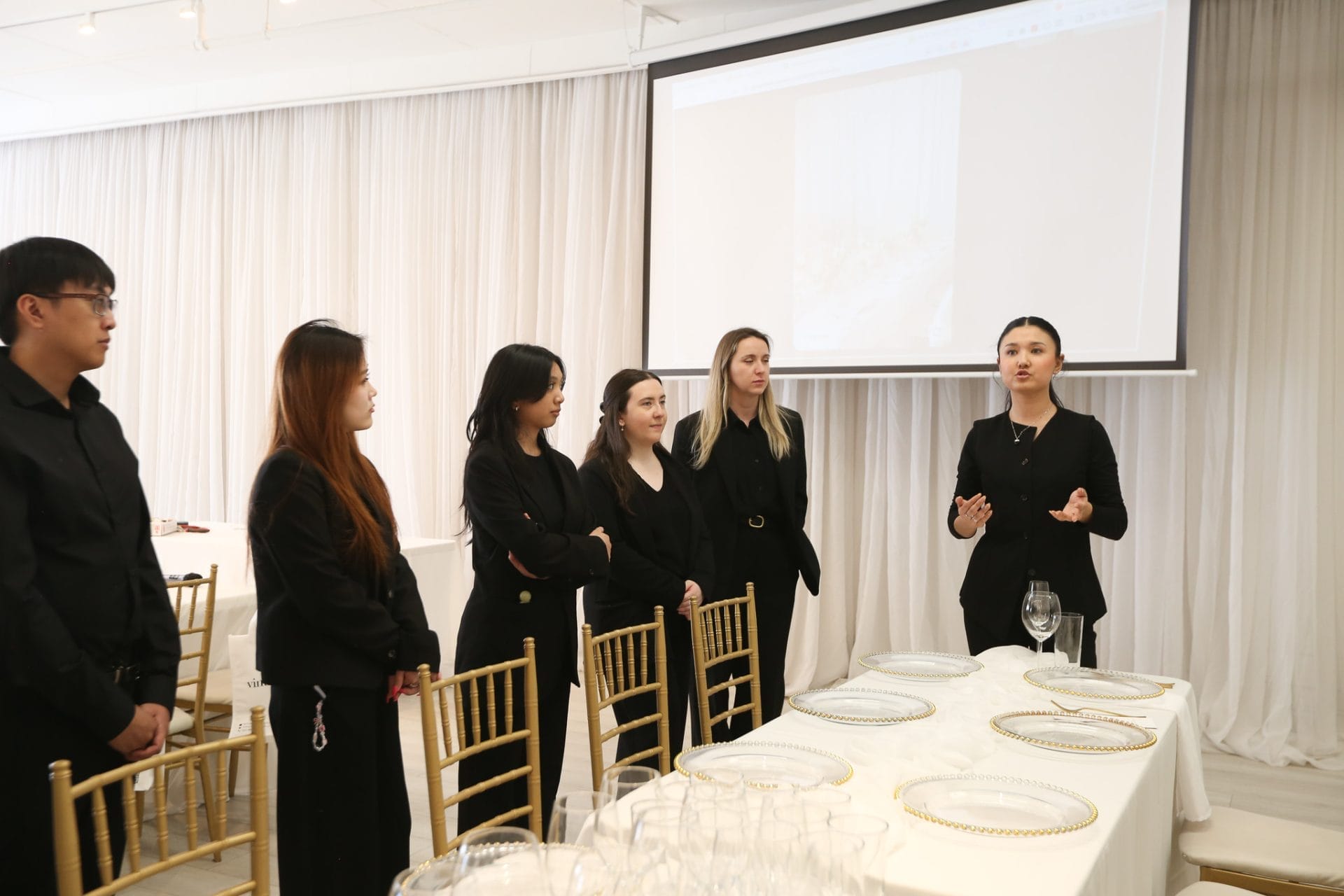



Every system they teach was built under real operational pressure. Not from a classroom, but from managing tight timelines, complex vendor teams, and high-stakes wedding days where there is no room for hesitation.
The V Wedding Planner Program™ (VWPP) is a 12-module, self-paced certification program that covers everything from planning foundations and client onboarding to vendor management, business launch, and local visibility strategy. Module 12 specifically covers networking, referral-building, and sustainable industry presence — so graduates do not just learn how to plan weddings, they learn how to build the professional reputation that keeps them booked.
The program is built for aspiring planners who want more than surface-level knowledge. It is for those who want structured systems, practical tools, and the professional confidence to lead clients and vendors from day one.
Public enrollment opens soon. Join the waitlist for priority access.
Frequently Asked Questions
Most planners begin to see meaningful referral relationships form within six to twelve months of consistent, intentional networking. The key word is consistent. Attending one event or reaching out to a handful of vendors will not produce results overnight. Planners who show up repeatedly, follow through on their commitments, and invest in genuine relationships typically build a reliable referral circle within their first year of active networking.
Online networking and in-person networking serve different but complementary purposes. In-person interactions — at industry events, styled shoots, and venue site visits — build faster, deeper trust because vendors can see how you work and how you carry yourself under pressure. Online engagement keeps relationships warm between in-person touchpoints and extends your visibility to vendors outside your immediate geographic area. The most effective planners use both. They build the relationship in person and maintain it consistently online.
A vendor list is a collection of contacts. A vendor network is a group of professionals who actively support and refer each other. The difference lies in the depth of the relationship. A name in a spreadsheet becomes part of your network only when there is mutual trust, real working history, and genuine goodwill. Most new planners have long lists and thin networks. The goal is to do the work that converts contacts into true collaborators.
The V Wedding Planner Program™ covers local networking and industry visibility in Module 12, titled “Visibility, Growth and Long-Term Industry Presence.” This module includes specific lessons on networking intentionally, building referral relationships, growing a local reputation, joining professional associations, and creating sustainable visibility without burning out. It treats networking not as a soft skill but as a structured business strategy with clear, actionable steps.
For most new planners, networking produces faster results than marketing in the early stages. Building referral relationships with photographers, venues, and florists can generate booked clients before a website or social media presence is fully developed. Marketing amplifies credibility once it exists. Networking creates the credibility in the first place. A practical approach is to invest in both simultaneously, but to prioritize relationship-building in the first six months of building a planning business.
Ready to build the foundation that makes networking easier, clients clearer, and wedding days smoother? Join the V Wedding Planner Program™ waitlist and be among the first to access the full curriculum when enrollment opens.
You Might Also Like:
- What to Ask a Wedding Venue Before You Book: The Complete Question Guide
- How to Keep Kids Safe and Entertained at Weddings: A Planner’s Complete Guide
- 12 Small Wedding Details That Completely Transform the Guest Experience
- 10 Marketing Mistakes New Wedding Planners Make That Are Quietly Killing Their Bookings
- Who We Are – V Wedding Academy