How to Become a Sustainable Wedding Planner in 2026
To become a sustainable wedding planner, you must actively reduce event waste by prioritizing digital communications, sourcing local catering, eliminating single-use plastics, and partnering exclusively with eco-conscious vendors. Sustainable planning means implementing strict operational systems that minimize the carbon footprint of large-scale celebrations while educating your couples on environmentally responsible choices. It requires moving past traditional extravagance and building a business model rooted in ethical logistics.
The events industry generates a staggering amount of trash. According to benchmark data frequently cited in 2026 environmental reports, the average wedding produces roughly 400 pounds of garbage and 63 tons of CO2 emissions.
(Disclaimer: While this serves as the established industry average, actual footprints vary significantly based on guest travel, destination choices, and menu selections).
In Canada, this environmental impact scales rapidly during the busy summer wedding seasons across Toronto and Ontario. As a professional event leader, you possess the influence to change this narrative. You can guide clients toward choices that protect the planet while still delivering a flawless luxury experience.
How to Plan Eco-Friendly Weddings Like a Pro
The Reality of Wedding Waste
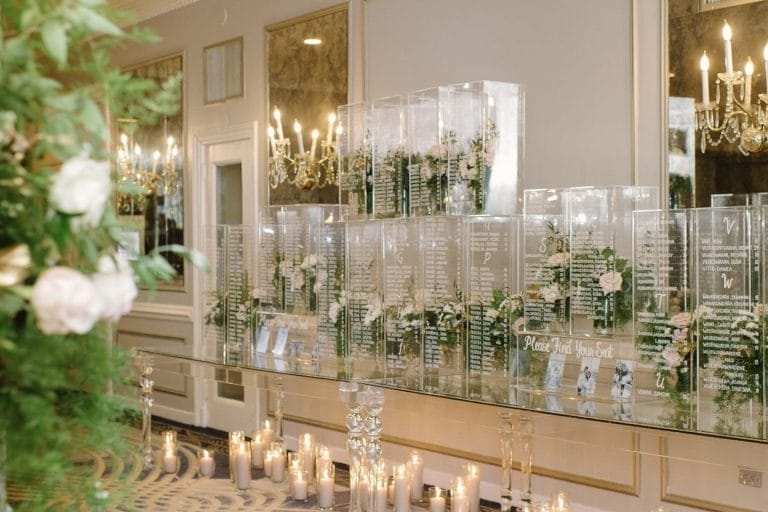
Traditional events rely heavily on single-use items. From acrylic seating charts to imported out-of-season florals, the aesthetic demands of a celebration often overshadow the environmental cost.
A report highlighted by Zero Waste Canada notes that food is a primary area of waste at events. When caterers over-prepare menus and couples insist on massive dessert tables, a significant portion of that food ends up in local landfills.

To combat this globally, event professionals are shifting their focus. Planners who master eco-friendly logistics are now highly sought after by modern couples who want to celebrate without compromising their ethical values.
Practical Tips to Plan an Eco-Friendly Wedding
You cannot claim to be a sustainable planner without putting tangible practices into action. Here are the exact steps you can take to make your events greener.
1. Build a Green Vendor Network
Your events are only as sustainable as the team you hire.
Build strong relationships with florists who refuse to use toxic floral foam. Partner with caterers in Ontario who prioritize local farm-to-table menus to drastically cut down on transportation emissions. When you vet your vendors for ethical practices, you pass that value directly to your clients.
2. Rethink Florals and Decor
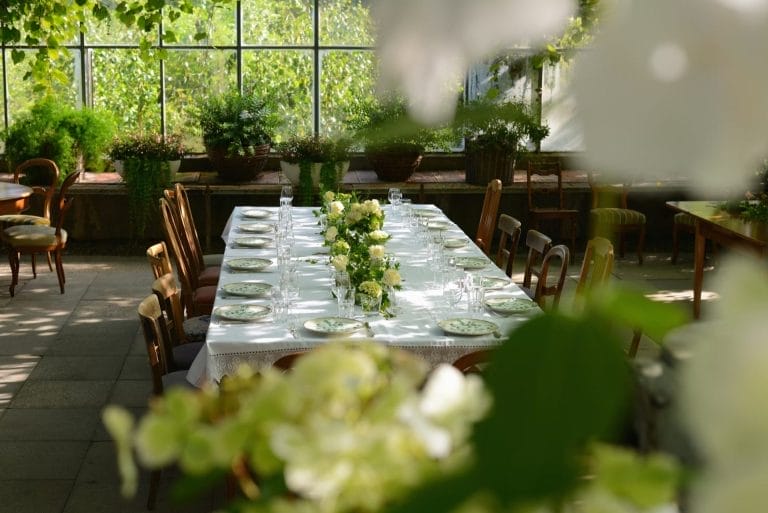
Instead of importing exotic blooms, encourage clients to use locally grown seasonal flowers or potted plants that double as guest gifts. Renting decor items instead of buying single-use props drastically reduces landfill contributions.
If a client wants a specific backdrop, source it from a local rental company rather than ordering a custom build that will be thrown away the next day.
3. Digitize the Client Experience
Move away from heavy paper suites. Encourage your couples to use digital save-the-dates and online RSVPs. For day-of materials, opt for recycled paper or seed paper that guests can plant afterward.
As a business owner, you should also operate digitally. Keep your contracts, timelines, and proposals online to minimize your own office waste.
Structuring Your Sustainable Planning Business
At V Wedding Academy, we have managed complex vendor teams for over 2,000 events.
We know that being an eco-friendly planner requires deep operational structure. You must set boundaries and present sustainable options as the default rather than an upgrade.




When a couple hires you, present them with a realistic look at how their choices impact the environment. Show them the numbers. Explain how skipping the disposable favors and opting for a charitable donation creates a more meaningful guest experience.
The Sustainable Wedding Alliance emphasizes that transparency is key to avoiding greenwashing. Your role is to lead the planning process with authority and purpose.
Frequently Asked Questions (FAQ)
A sustainable wedding actively minimizes environmental harm by reducing carbon emissions, eliminating single-use plastics, and supporting local ethical vendors. It prioritizes reusing materials and eliminating unnecessary food and decor waste.
Not necessarily. While organic food or ethically sourced materials might carry a premium, couples often save money by renting decor, cutting down on paper goods, and utilizing seasonal flowers instead of imported arrangements.
The most effective method is keeping the guest list manageable, choosing a centralized venue to limit travel, and serving a plant-based or locally sourced menu. Encouraging guests to carpool or providing a group shuttle also cuts down on individual vehicle emissions.
Ready to Build an Ethical Event Business?
Most aspiring planners are taught design theory but lack the infrastructure to run a modern, ethical business. If you are serious about building a strong skill set, managing vendors with authority, and turning planning into an income-generating career, you need practical systems.
Join the waitlist for The V Wedding Planner Program™ today and gain priority access to the operational blueprints we use to execute seamless, sustainable events worldwide.
You Might Also Like: