How to Run a Wedding Consultation That Books the Client Every Time
A wedding consultation is the structured meeting where a planner gathers key details, presents their services, and determines fit — all before a contract gets signed. Done right, it converts leads into paying clients, sets the tone for the entire planning relationship, and protects the planner from misaligned bookings. Most planners lose the sale here, not because of pricing, but because of poor structure.
How to Run a Wedding Consultation That Books Every Client
Why the Consultation Is the Most Underrated Skill in Wedding Planning
Ask most aspiring wedding planners what the consultation is for, and they’ll say: “To learn what the couple wants.” That’s only half true.
The consultation exists to do two things simultaneously. First, it qualifies the lead. Second, it positions the planner as the expert — not an order-taker. Planners who treat it purely as a fact-finding call often leave the meeting without a booking, wondering what went wrong.
The average U.S. couple contacts between three and five vendors before deciding. That means every consultation competes with several others happening that same week. Structure and authority become the differentiator.
Consultation vs. Discovery Call: Know the Difference
Many new planners blur these two formats together. They’re not the same thing.
| Format | Purpose | Length | Outcome |
| Discovery Call | Qualify the lead, establish basic fit | 15–20 minutes | Move to full consult or decline |
| Full Consultation | Present services, gather vision, propose pricing | 45–75 minutes | Signed proposal or follow-up |
| Second Meeting | Review and finalize proposal | 20–30 minutes | Contract signed |
Running a full consultation with every unqualified lead wastes time. A short discovery call first filters out misaligned couples before a planner spends an hour presenting their packages to someone with the wrong budget or expectations.
The distinction matters practically: planners who skip the discovery call report higher rates of ghost-after-consultation experiences. A 15-minute pre-screen changes that.
The 6 Stages of a High-Converting Wedding Consultation
Getting this flow right is what separates planners who book consistently from those who close sporadically.
Stage 1: Pre-Consultation Prep
Before the couple arrives — virtually or in person — the planner should review the inquiry form, research the venue if mentioned, and have a printed or digital intake packet ready. This preparation signals professionalism from the first second.

Send a confirmation email 24 hours before, include the meeting link or address, and attach a short questionnaire. This primes the couple to come organized and shows the planner runs a structured business. First impressions form before the meeting even starts.
Stage 2: Opening With Authority, Not Apology
The first five minutes set the entire tone. A planner who opens with “So, tell me everything about your wedding!” hands control of the meeting to the couple immediately.
Instead, open with a quick agenda: “We’ll spend the first 20 minutes getting to know your vision. Then I’ll walk you through how we work, and we’ll talk through packages. Does that work for you?” That framing positions the planner as the leader of the conversation. It also reassures nervous couples who don’t know what to expect from the meeting.
Stage 3: Vision and Vision Reality Check
This is where active listening earns trust. Ask open-ended questions: What does the wedding feel like in your mind? What matters most to you on the day? What would make you feel like it was perfect?
Then comes the reality check — and this is where experience shows. If a couple describes a 200-person dinner with custom florals and a live band, and then mentions a $20,000 total budget, the planner’s job is to address the gap gently and immediately.
According to The Knot’s Real Weddings Study, the average Canadian wedding now exceeds $30,000. Couples often arrive with Pinterest dreams and spreadsheet budgets. A great consultant addresses this early, not after a proposal gets rejected.
Stage 4: Presenting Services With Confidence
This stage trips up most new planners. They recite their packages like a menu, hoping the couple picks something. Strong planners recommend.
After gathering vision details, pivot to: “Based on what you’ve described, I’d actually recommend our full planning package. Here’s why…” Then explain the reasoning. Couples want guidance. They hire planners precisely because they don’t know what they don’t know. Presenting as an advisor, not a vendor, closes more contracts than any discount ever will.
Keep the presentation visual. Use a digital proposal or a printed lookbook rather than rattling off bullet points verbally. A polished presentation reinforces the value of the investment.
Stage 5: Handling Objections in Real Time
Price objections are normal. Silence is not a no — it’s a processing pause. Give the couple space to think before jumping in with justifications or discounts.
When a couple says “That’s more than we expected,” respond with: “That’s fair. Let’s talk through what’s included and what you’d be managing on your own without it.” That reframe shifts the conversation from cost to value. It also helps the couple understand what a planner actually does — something WeddingWire research consistently shows couples underestimate before hiring one.
Stage 6: The Close and Next Steps
Never end a consultation with “I’ll send something over.” That phrase bleeds momentum and gives the couple time to cool off, compare competitors, and forget the connection built during the meeting.
Instead, close with a clear action step: “I’ll have your custom proposal ready by Thursday. Once you review it, we can hop on a quick call to finalize details or move straight to the contract.” That language assumes forward motion without pressuring. It also sets a deadline — both for the planner and the couple.
What Professional Consultation Structure Actually Looks Like
A planner running consultations at a professional level uses documented systems, not memory. That means:
- A pre-consultation intake form to capture budget, guest count, venue status, and timeline
- A structured question bank organized by category (logistics, vision, priorities, concerns)
- A proposal template customized per client, not copy-pasted from a generic doc
- A follow-up sequence with specific timelines for touching base post-consultation
- A decision protocol for declining clients who aren’t the right fit
The last point matters more than most planners admit. Taking on misaligned clients creates the exact situations — budget conflicts, scope creep, communication breakdowns — that burn planners out within their first two years. Knowing when to say no is a skill, not a personality trait. It’s a business decision.
Common Consultation Mistakes That Kill Bookings
Even experienced planners fall into these traps.
- Talking too much about credentials. Couples care about outcomes, not credentials. Shift from “I’ve been doing this for five years” to “Here’s what that experience means for your wedding day specifically.”
- Skipping budget conversations. Budget discomfort is real, but avoiding it in the consultation guarantees a painful conversation later. Establish budget range early — within the first 20 minutes — so the entire proposal aligns with reality.
- Failing to follow up. According to HubSpot sales research, 80% of sales require five or more follow-up touchpoints. Most planners send one email, hear nothing, and move on. A structured follow-up sequence — two emails, one check-in call, spaced over 10 days — captures the couples who need more time, not less interest.
Frequently Asked Questions
A full wedding consultation runs between 45 and 75 minutes. Anything shorter often skips critical detail-gathering. Anything longer loses focus and starts to feel like a free planning session. Use the discovery call to pre-qualify so the full consultation stays on track.
Start with logistics: date, guest count, venue status, and overall budget range. Then move to vision: aesthetic preferences, non-negotiables, and past event experiences that inspire them. Close with priorities: what matters most versus what’s flexible. That sequence gives a planner everything needed to build an accurate, relevant proposal.
No. A discovery call is a short, 15-to-20-minute pre-screen to establish basic fit before investing time in a full meeting. The consultation is the longer, structured session where a planner presents services, gathers full details, and proposes a path forward. Running full consultations without a discovery call screen wastes time on leads that were never going to convert.
The V Wedding Planner Program™ (VWPP™) teaches consultation strategy as a structured business skill, not just communication advice. Module 7 covers consultation flow, proposal writing, package structuring, contract frameworks, and client decline protocols — all based on systems developed inside active wedding businesses that have managed over 2,000 events. It’s operational training built for real-world scenarios, not theory delivered in a classroom.
The key is to present price in context, not in isolation. Before naming a number, walk the couple through what’s included, what you’re protecting them from, and what the experience looks like end-to-end. When price follows value, the number lands differently. Planners who lead with packages and end with price convert more consistently than those who email a pricing PDF after the fact.
Ready to Build Consultation Skills That Actually Book Clients?
The consultation isn’t just a conversation. It’s a structured process — and like every professional process, it can be learned, practiced, and refined until it runs consistently.
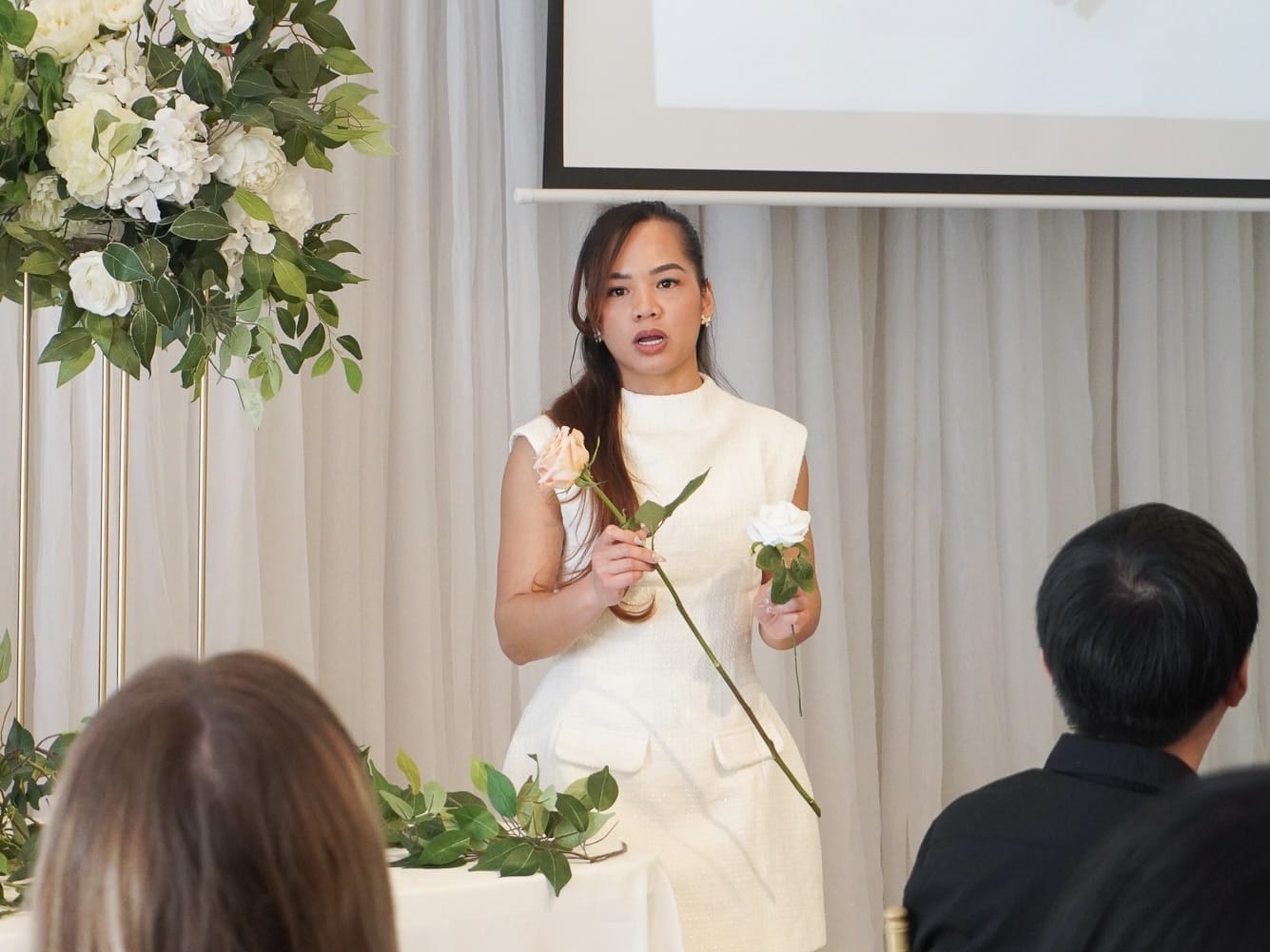


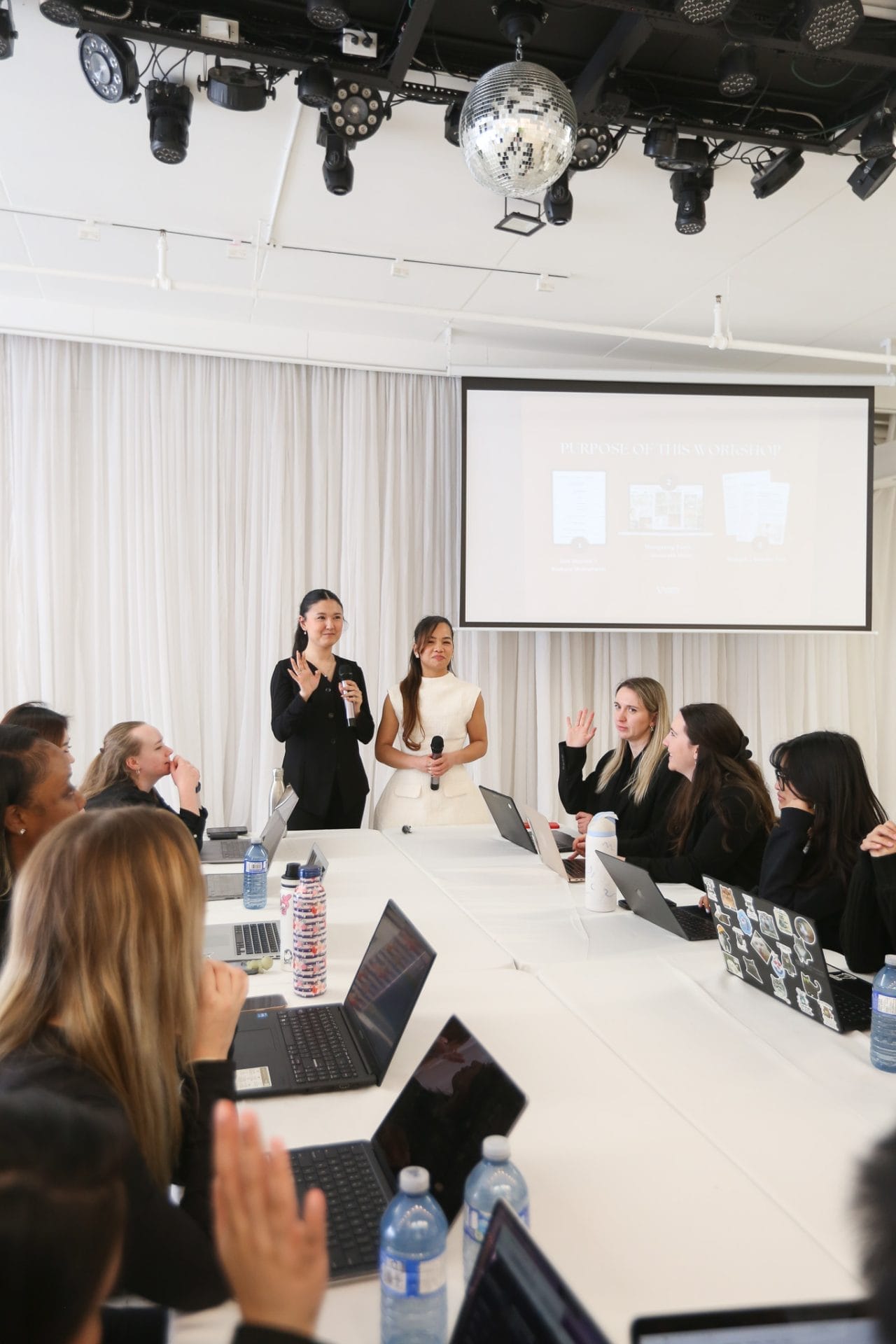
The V Wedding Planner Program™ trains aspiring planners on every stage of this process: from inquiry response to consultation flow, proposal presentation, and contract signing. Over 12 structured modules, VWPP™ covers the full client journey with the systems, scripts, and frameworks developed across 2,000+ real events.
Public enrollment opens soon. Join the waitlist now for priority access and be the first to know when spots become available.
You Might Also Like:
- Wedding & Event Insurance Is Not Just for Big Weddings — Here’s What Every Couple and Planner Needs to Know
- What Smart Wedding Planners Do After Peak Season — And Why It Sets Up Their Best Year Yet
- How to Market Your Wedding Planning Business on Instagram (Build Authority, Attract Couples, and Book More Clients)
- Who We Are – V Wedding Academy